
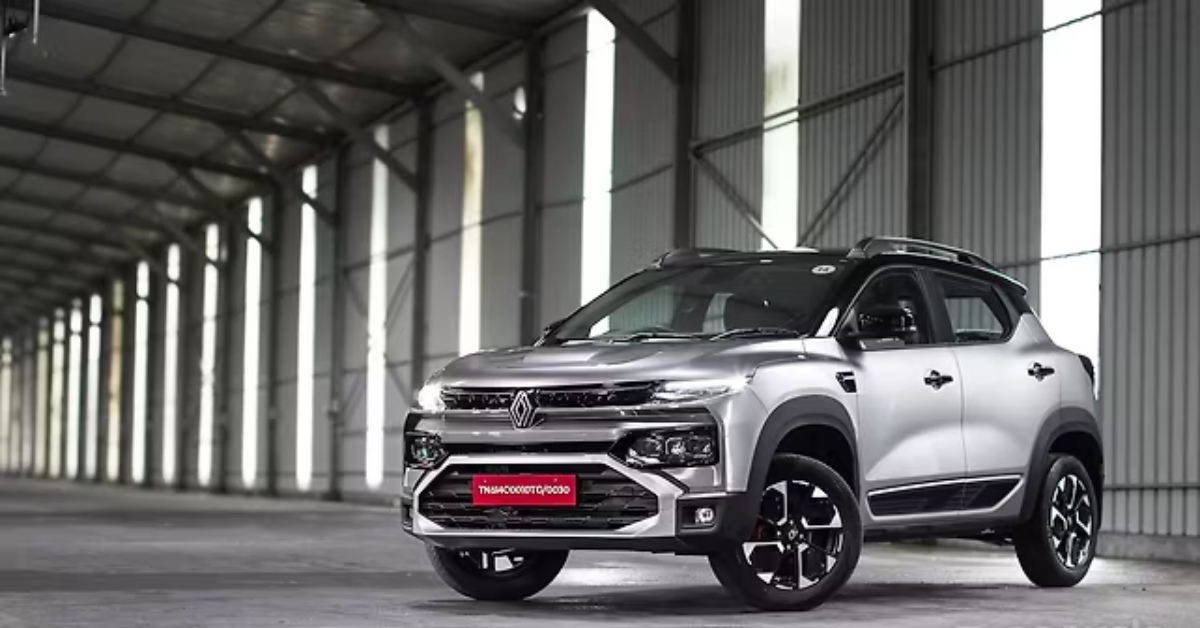
The micro SUV segment in India has quickly become one of the most competitive and high-growth categories in the automotive market. With rising demand for compact, affordable, and feature-packed vehicles, automakers are aggressively expanding their offerings. Currently, Tata Punch and Hyundai Exter dominate this space, but Renault is preparing a strong comeback with a two-car strategy designed to disrupt the segment.
Instead of launching just one competitor, Renault is planning to introduce two distinct models aimed at different buyer needs—one focused on affordability and practicality, and the other targeting a more premium, feature-rich experience. This dual approach could significantly shake up the micro SUV market.
Let’s explore how Renault plans to take on the established players and whether this strategy can actually work.
Understanding the Micro SUV Segment
The success of the Tata Punch and Hyundai Exter proves that Indian buyers are increasingly drawn toward compact SUVs that offer:
- High ground clearance
- SUV-like design
- Affordable pricing
- Modern features
These vehicles bridge the gap between hatchbacks and compact SUVs, making them ideal for city driving while still offering a commanding road presence.
The Tata Punch appeals to buyers who prioritize safety and ruggedness, while the Hyundai Exter focuses on features and modern design. Renault’s challenge is to outperform both—without compromising on pricing.
Renault’s Two-Car Strategy Explained
Renault’s approach is not just about competing—it’s about covering the entire segment.
1. Budget-Focused Compact SUV
The first model is expected to target entry-level buyers. This vehicle will likely:
- Be priced aggressively
- Focus on practicality and fuel efficiency
- Offer essential features without overloading the cost
This strategy directly challenges the base variants of Tata Punch and Hyundai Exter, aiming to attract first-time car buyers.
2. Premium Micro SUV
The second model is expected to sit slightly higher in the segment. It will likely include:
- Advanced features
- Better interior quality
- Enhanced styling
- More powerful engine options
This car will compete with top variants of Punch and Exter, targeting buyers who want a more premium experience without moving to a larger SUV.
Design & Styling: Renault’s Fresh Identity
Renault is expected to introduce a completely new design language with these upcoming models. The focus will be on:
- Bold front grilles
- Sharp LED lighting
- Muscular body lines
- SUV-inspired stance
Compared to the Tata Punch’s rugged design and Hyundai Exter’s youthful styling, Renault could offer a more European-inspired aesthetic.
Impact:
A fresh design could be a major advantage, especially for buyers looking for something different.
Interior & Comfort
Interior quality is a crucial factor in this segment, and Renault is expected to step up its game.
The upcoming models may offer:
- Improved material quality
- Larger infotainment screens
- Better seat comfort
- Enhanced cabin space
While Tata Punch focuses on durability and Exter emphasizes features, Renault may aim for a balance between comfort and practicality.
Expected Advantage:
A well-designed cabin could help Renault attract both family buyers and young professionals.
Features & Technology
Technology is where Hyundai Exter currently leads, offering features like:
- Sunroof
- Digital instrument cluster
- Connected car tech
Renault’s premium offering is expected to compete strongly by including:
- Touchscreen infotainment system
- Smartphone connectivity
- Digital display
- Possibly connected car features
The budget model, however, will likely stick to essential features to maintain affordability.
Verdict:
Renault must match Hyundai’s feature list to stay competitive.
Engine & Performance
Engine performance will play a key role in determining success.
Renault is expected to offer:
- A refined petrol engine for both models
- Possibly a turbocharged option for the premium variant
The Tata Punch uses a naturally aspirated engine focused on reliability, while the Hyundai Exter offers refined petrol options with smooth performance.
If Renault introduces a turbo engine in this segment, it could gain a significant edge in performance.
Verdict:
A stronger engine lineup could be Renault’s biggest advantage.
Mileage & Efficiency
Fuel efficiency remains a top priority for Indian buyers.
Renault’s upcoming SUVs are expected to deliver competitive mileage figures similar to:
- Tata Punch: Around 20 km/l
- Hyundai Exter: Around 19–20 km/l
Renault will need to match or exceed these numbers to attract cost-conscious buyers.
Verdict:
Efficiency will be a key battleground, and even a small advantage can influence buying decisions.
Safety Features
Safety has become a major selling point, especially after Tata set high standards with the Punch.
Renault’s new models are expected to include:
- Multiple airbags
- ABS with EBD
- Electronic stability control
- Strong body structure
However, Tata’s reputation for safety is strong, so Renault will need to deliver equally impressive crash safety performance.
Verdict:
Matching Tata’s safety credentials is essential for success.
Pricing Strategy
Pricing will ultimately determine how successful Renault’s strategy is.
Expected pricing approach:
- Budget model: Lower than Tata Punch base variants
- Premium model: Competitive with top variants of Punch and Exter
By offering two options, Renault can attract a wider audience—from first-time buyers to those seeking more features.
Verdict:
Smart pricing could be Renault’s strongest weapon.
Prospective Buyer Appeal
Renault’s two-car strategy is designed to appeal to different types of buyers:
- First-time buyers: Affordable entry-level model
- Urban users: Stylish and compact design
- Young professionals: Feature-rich premium variant
- Families: Spacious and practical interiors
This broad appeal could help Renault gain significant market share.
Challenges Renault Will Face
Despite the promising strategy, Renault will face several challenges:
- Strong competition from established brands
- Tata’s safety reputation
- Hyundai’s feature-rich offerings
- Building trust in the segment again
To succeed, Renault must deliver on quality, reliability, and after-sales support.
Final Verdict: Can Renault Win This Battle?
Renault’s decision to launch two vehicles instead of one is bold and strategic. It allows the brand to target multiple customer segments and compete more effectively against both Tata Punch and Hyundai Exter.
If Renault manages to:
- Price its vehicles competitively
- Offer strong features and performance
- Deliver solid build quality
Then it has a real chance to disrupt the segment.
Conclusion
The micro SUV segment in 2026 is shaping up to be more competitive than ever. With Tata Punch and Hyundai Exter already setting high benchmarks, Renault’s two-car strategy could be the game-changer the market needs.
By offering both affordability and premium appeal, Renault is positioning itself as a serious contender. The success of this approach will ultimately depend on execution—but one thing is certain: buyers are about to get more choices, better features, and greater value than ever before.








Leave a Reply