

A long-term personal loan can be an effective financial tool when used responsibly. Whether you’re funding higher education, renovating your home, covering medical expenses, consolidating debt, or managing a major life event, a longer repayment tenure can make monthly EMIs more affordable. However, while smaller monthly payments may seem attractive, long-term loans also result in higher total interest costs if not managed wisely.
The secret to successfully handling a long-term personal loan lies in careful financial planning, disciplined repayment habits, and proactive debt management. Without a proper strategy, a loan that initially feels manageable can become a long-term financial burden.
In this guide, we’ll explore practical tips and proven strategies to help you manage long-term personal loans efficiently while protecting your financial future.
What Is a Long-Term Personal Loan?
A long-term personal loan is an unsecured loan that offers borrowers a longer repayment period compared to short-term loans. Instead of repaying the borrowed amount within a year or two, borrowers repay the loan over several years through fixed monthly installments.
The repayment schedule generally includes:
- Principal amount
- Interest charges
- Monthly EMIs
- Fixed repayment tenure
Because the repayment period is longer, EMIs are usually lower, making the loan easier to manage within a monthly budget.
Why People Choose Long-Term Personal Loans
Long-term loans continue to grow in popularity because they offer flexibility and affordability.
Some common reasons include:
- Lower monthly EMI
- Larger loan eligibility
- Better cash flow management
- Flexible repayment options
- No collateral requirement
- Immediate access to funds
These benefits make long-term personal loans attractive for salaried employees, self-employed professionals, and business owners.
Understand the Total Cost of Borrowing
Many borrowers focus only on the monthly EMI while ignoring the total repayment amount.
Before accepting any loan, carefully calculate:
- Total loan amount
- Interest payable
- Processing charges
- Other applicable fees
- Total repayment cost
A lower EMI spread over many years may ultimately cost much more than a shorter repayment period.
Understanding the full borrowing cost helps you make informed financial decisions.
Borrow Only What You Actually Need
One of the biggest mistakes borrowers make is accepting the maximum loan amount offered by the lender.
Just because you qualify for a larger loan doesn’t mean you should take it.
Borrowing only what is genuinely required helps:
- Reduce interest costs
- Lower monthly obligations
- Improve financial flexibility
- Simplify repayment
Smaller loans are easier to repay and place less pressure on your monthly budget.
Create a Realistic Monthly Budget
A well-planned budget is the foundation of successful loan management.
List all your monthly expenses, including:
- EMI payments
- Rent or home expenses
- Utility bills
- Insurance premiums
- Grocery expenses
- Transportation
- Education costs
- Emergency savings
Ensure that your EMI comfortably fits within your monthly income without affecting essential expenses.
Never Miss an EMI
Timely repayments are one of the most important aspects of managing any loan.
Missing EMIs can lead to:
- Late payment charges
- Higher borrowing costs
- Lower credit score
- Increased financial stress
- Difficulty obtaining future loans
Setting up automatic payments or reminders can help you stay on schedule.
Build an Emergency Fund
Unexpected situations such as job loss, medical emergencies, or temporary income reduction can affect your repayment capacity.
Maintaining an emergency fund provides financial security during difficult times.
Ideally, your emergency savings should cover several months of:
- EMIs
- Household expenses
- Utility bills
- Essential living costs
Emergency savings reduce the risk of loan default.
Make Part Prepayments Whenever Possible
If your financial situation improves, consider making partial prepayments toward your loan.
Benefits of part prepayment include:
- Reduced outstanding principal
- Lower interest cost
- Faster loan repayment
- Reduced financial burden
Even occasional lump-sum payments can significantly decrease the overall cost of a long-term loan.
Avoid Taking Multiple Loans Simultaneously
Managing several loans at once increases financial complexity.
Multiple EMIs can:
- Reduce disposable income
- Increase debt burden
- Affect credit score
- Create repayment pressure
Before applying for another loan, evaluate whether your existing obligations are already sufficient.
Responsible borrowing supports long-term financial stability.
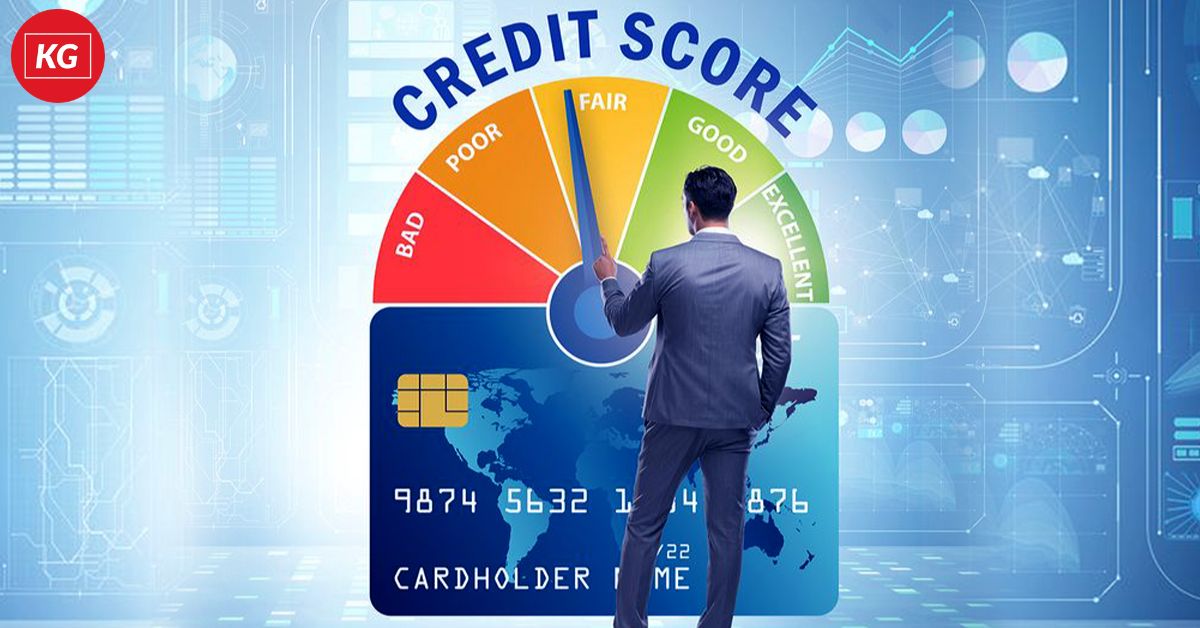
Maintain a Healthy Credit Score
Your credit score plays a crucial role in future borrowing opportunities.
A strong credit profile can help you secure:
- Better loan approvals
- Lower interest rates
- Higher credit limits
- Faster processing
To maintain a healthy credit score:
- Pay EMIs on time.
- Avoid excessive borrowing.
- Monitor your credit utilization.
- Review financial records regularly.
Good repayment behavior benefits your long-term financial health.
Review Your Loan Periodically
Many borrowers forget about their loan after approval.
However, reviewing your loan every few months helps you identify opportunities to improve your finances.
Evaluate:
- Outstanding balance
- Remaining tenure
- Interest payments
- Current financial position
- Prepayment opportunities
Regular reviews help you stay in control of your debt.
Increase EMI When Income Grows
Salary increments, business growth, bonuses, or additional income provide an excellent opportunity to repay loans faster.
Increasing your EMI voluntarily can:
- Shorten repayment tenure
- Reduce interest payments
- Eliminate debt earlier
This strategy improves long-term financial freedom.
Avoid Unnecessary Lifestyle Inflation
Many people increase their spending immediately after receiving salary hikes.
Instead of expanding lifestyle expenses, prioritize:
- Loan repayment
- Emergency savings
- Retirement planning
- Investments
- Insurance coverage
Financial discipline helps reduce debt faster.
Keep Loan Documents Organized
Maintain proper records of all loan-related documents.
These may include:
- Loan agreement
- EMI schedule
- Payment receipts
- Account statements
- Prepayment confirmations
- Communication with the lender
Organized documentation makes future financial management much easier.
Don’t Ignore Insurance Protection
If your family depends on your income, consider adequate financial protection while repaying a long-term loan.
Proper insurance planning can help reduce financial hardship for your loved ones if unexpected circumstances arise during the repayment period.
Financial security extends beyond simply paying EMIs.
Common Mistakes to Avoid
Many borrowers unintentionally increase their financial burden through poor loan management.
Avoid these common mistakes:
- Borrowing beyond your needs
- Missing EMI deadlines
- Ignoring total interest cost
- Taking multiple personal loans
- Not maintaining emergency savings
- Using loans for unnecessary expenses
- Delaying prepayments despite having extra funds
Avoiding these mistakes improves overall financial stability.
Benefits of Managing Long-Term Loans Wisely
Responsible loan management offers several long-term advantages.
These include:
- Improved credit score
- Lower financial stress
- Better budgeting habits
- Faster debt repayment
- Increased savings potential
- Stronger financial discipline
- Greater financial confidence
These benefits extend far beyond the loan itself.
Smart Financial Habits for Long-Term Success
Managing debt effectively requires consistent financial discipline.
Develop habits such as:
- Tracking monthly expenses.
- Saving before spending.
- Reviewing financial goals annually.
- Avoiding unnecessary debt.
- Building multiple income sources.
- Investing for future goals.
- Maintaining healthy savings.
These habits strengthen your overall financial position while making loan repayment easier.
Final Thoughts
A long-term personal loan can provide financial flexibility and help achieve important life goals, but its success depends on how responsibly it is managed. While lower monthly EMIs can ease short-term financial pressure, borrowers should never lose sight of the total interest paid over the loan tenure.
By borrowing only what you need, maintaining a realistic budget, paying EMIs on time, making part prepayments whenever possible, and avoiding unnecessary debt, you can reduce borrowing costs and stay financially secure. Responsible loan management not only protects your credit profile but also creates a stronger foundation for future financial growth, allowing you to enjoy the benefits of credit without compromising your long-term financial well-being.










Leave a Reply