
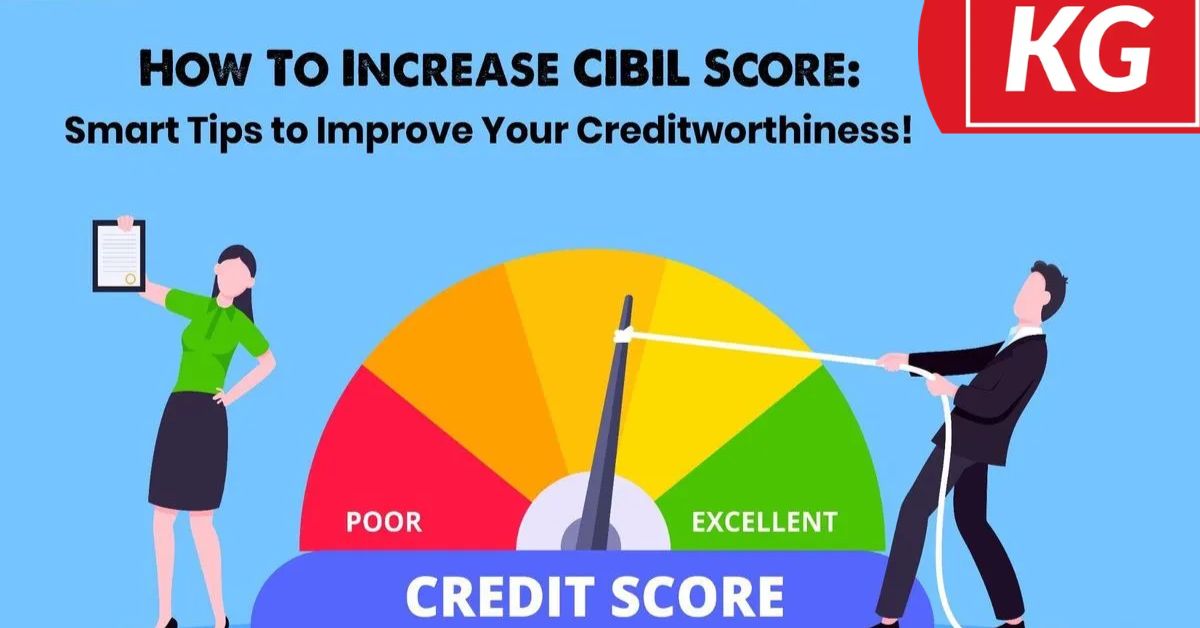
Whether you are looking to secure a premium credit card, a low-interest personal loan, or a dream home loan, your CIBIL score is the ultimate financial gatekeeper. Measured on a scale of 300 to 900, this three-digit number tells lenders exactly how risky you are as a borrower.
A score above 750 unlocks the best interest rates and fast approvals, while a poor score can slam doors shut. If your credit history has taken a hit, don’t panic—your CIBIL score is not set in stone. Here is a practical, step-by-step blueprint to rebuild and improve your credit health.
1. The Golden Rule: Pay on Time, Every Time
Your payment history makes up a massive 35% of your total CIBIL score. Lenders want to see consistency and reliability. A single delayed Credit Card payment or a missed Equated Monthly Installment (EMI) can cause your score to plummet instantly.
- Automate Your Finances: Set up standing instructions or auto-debit facilities for your recurring EMIs and minimum credit card dues.
- Avoid the “Minimum Due” Trap: Paying only the minimum amount due on your credit card prevents late fees, but it still accumulates heavy interest and signals financial distress to credit bureaus. Aim to clear the total outstanding balance every month.
2. Keep Your Credit Utilization Ratio (CUR) Low
Your Credit Utilization Ratio measures how much credit you are actively using against your total available limit. For instance, if your credit card limit is ₹1,00,000 and you spend ₹70,000, your CUR is $70\%$.
A high CUR indicates that you are “credit-hungry” and heavily reliant on borrowed money.
- The Safe Zone: Keep your overall utilization below 30% across all cards.
- Ask for a Limit Increase: If you struggle to keep utilization low despite timely payments, contact your bank to increase your credit limit. As long as your spending stays the same, an increased limit automatically drops your CUR.
3. Scrub Your Credit Report for Errors
Sometimes, a low CIBIL score isn’t even your fault. Clerical errors by banks—such as updating an already closed loan as “active,” reporting a delayed payment that you made on time, or administrative typos—can drag your score down.
Pro-Tip: Under RBI regulations, you are entitled to one free full credit report every year from each of the major credit bureaus (CIBIL, Experian, Equifax, CRIF High Mark).
Download your official report and check it meticulously. If you spot an anomaly, immediately raise an official dispute on the CIBIL online dispute resolution portal. By law, banks and CIBIL must investigate and rectify validated errors within 30 days.
4. Maintain a Balanced Credit Mix
Lenders prefer borrowers who can responsibly handle different types of financial obligations. Your credit profile is ideally categorized into two types:
- Secure Loans: Home loans and auto loans (backed by an asset).
- Unsecure Loans: Credit cards and personal loans (not backed by an asset).
A credit profile loaded entirely with multiple personal loans and credit cards looks highly risky. On the flip side, having a healthy mix of both secured and unsecured credit boosts your financial credibility and raises your score over time.
5. Space Out Your Credit Applications
Every time you apply for a new credit card or loan, the lender pulls your credit report directly from CIBIL to evaluate your eligibility. This is known as a “Hard Inquiry.” While a single hard inquiry might temporarily shave off a few points from your score, making multiple applications in a short window signals panic or financial instability. CIBIL interprets this as an emergency need for cash, lowering your score as a result.
- Shop Around Smartly: Use eligibility calculators or “soft search” platforms to check loan rates. Soft inquiries (checking your own score) do not impact your credit.
- The Cooling-Off Period: Space out your formal credit applications by at least 4 to 6 months to allow your score to stabilize.
6. Age Matters: Keep Old Accounts Alive
The length of your credit history accounts for roughly 15% of your CIBIL score. A long, clean track record of managing credit proves to lenders that you understand financial discipline.
If you have an old credit card that you no longer use, resist the urge to close it. Keeping that vintage account active and clear extends the average age of your credit history, which acts as a powerful anchor for a high CIBIL score.
The Takeaway: Patience is Key
Improving your CIBIL score is a marathon, not a sprint. There are no ethical shortcuts or immediate “hacks” to clear a bad history overnight. Generally, it takes 3 to 6 months of disciplined financial behavior for positive changes to reflect on your CIBIL dashboard.









Leave a Reply