
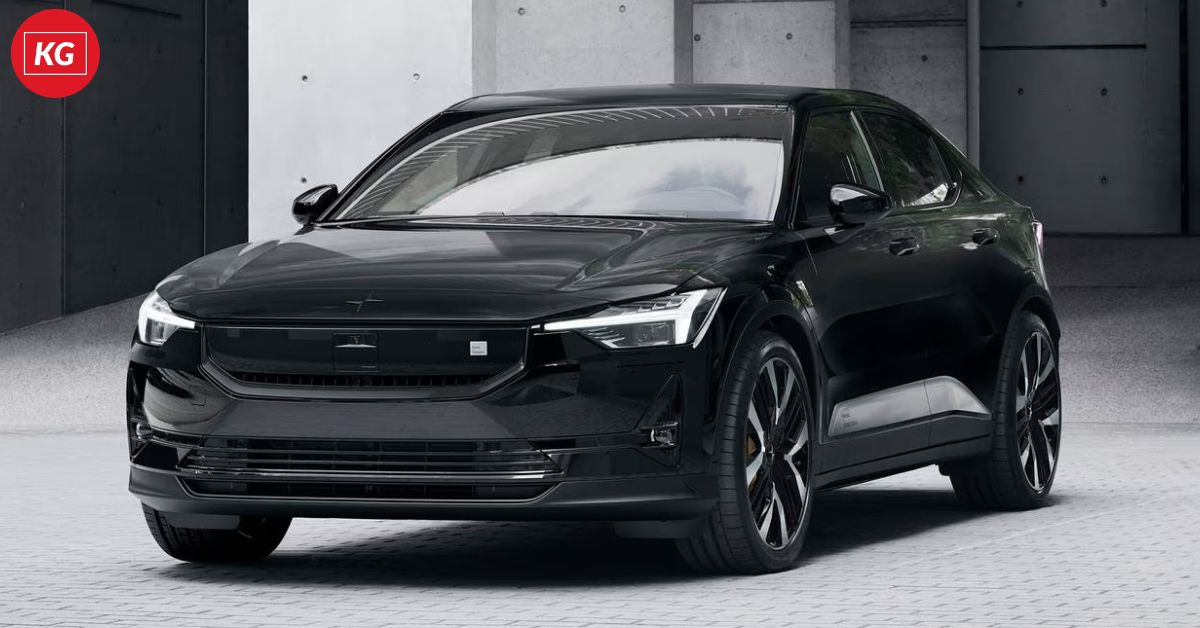
When the original Polestar 2 made its debut, it shattered the mold of the conventional electric vehicle. It didn’t try to look like a spaceship, nor did it copy the hyper-minimalist tropes of its competitors. Instead, it gave us a handsome, high-riding, Scandinavian fastback that proved electric cars could be both intensely practical and deeply rewarding to drive.
Fast forward to today. With well over 180,000 global units on the road, Polestar has officially confirmed that a second-generation Polestar 2 is on the way. Under the leadership of CEO Michael Lohscheller and new design chief Philipp Roemers (formerly of Audi), the brand is working at an accelerated pace to bring this successor to market.
What can EV enthusiasts and loyal drivers expect from the next iteration of Polestar’s most successful car? Let’s dive into the future of this iconic electric fastback.
Keeping the Name, Perfecting the Recipe
In an industry where marketing teams love to change vehicle names for the sake of artificial novelty, Polestar is making a bold, refreshing move: the second-generation car will retain the Polestar 2 moniker.
Initial rumors suggested the car might be renamed the Polestar 8 to fit a chronological rollout sequence. However, leadership explicitly corrected course, stating that building on established brand equity is paramount. For the thousands of current owners, this ensures the lineage of their vehicle remains clear.
Furthermore, the fundamental concept is staying intact. The next-gen Polestar 2 will remain a low-slung, driver-focused fastback rather than ballooning into a bloated SUV. In a market saturated with massive crossovers, keeping a compact, European-road-friendly footprint is a massive win for driving dynamics.
A New Architecture: Beyond the Volvo Heritage
While the original Polestar 2 was an outstanding vehicle, it carried a minor existential quirk: it was originally engineered on Volvo’s CMA platform, which was shared with internal combustion engine (ICE) cars. This meant it retained artifacts of gas-powered design, like the central transmission tunnel running through the cabin floor.
The second-generation Polestar 2 will completely shed this legacy. It is slated to ride on a bespoke, next-generation dedicated EV platform shared with future Polestar models.
What does a native EV platform mean for you?
- Optimized Interior Space: Without the need to accommodate a driveshaft tunnel, expect a completely flat floor, vastly improving rear passenger legroom and cabin airiness.
- Superior Battery Packaging: A native EV architecture allows for a more efficient, structural battery pack, which translates directly to greater driving range without adding unnecessary weight.
- Enhanced Performance: Lower center of gravity and optimized weight distribution will take Polestar’s sharp handling characteristics to an entirely new level.
Next-Gen Aesthetics: The Precept Design Language
The first-generation Polestar 2 was a bridge between Volvo’s design language and Polestar’s independent future. The second generation will proudly step fully into Polestar’s distinct identity.
With Philipp Roemers steering the design ship, the new model is expected to adapt the sleek, aggressive visual cues pioneered by the flagship Polestar 5 and the Polestar 4. Look out for the signature “Polestar SmartZone” front fascia—replacing a traditional grille with an array of mid-range radars and advanced cameras—and the brand’s increasingly aerodynamic, ultra-clean silhouettes.
Pure Electric Defiance
While several automotive legacy brands are backtracking on their electrification goals and pivoting heavily back into hybrids, Polestar is holding the line. The second-generation Polestar 2 will remain resolutely, purely electric.
Polestar’s leadership noted that their customer base is fiercely adamant about avoiding hybrid powertrains. Expect massive leaps in charging technology, likely incorporating 800-volt architecture to allow 10-to-80 percent charging times to drop to under 20 minutes, alongside significantly improved real-world range that will comfortably eclipse the current model’s capabilities.
The Countdown Begins
The second-generation Polestar 2 is tentatively slated to hit markets around late 2027 or early 2028, trailing closely behind the upcoming Polestar 7 compact SUV.
By refusing to change the name, retaining the beloved fastback silhouette, and upgrading to a dedicated, modern EV platform, Polestar is honoring the 180,000-strong community that put the brand on the map. The next chapter of the Polestar 2 isn’t about rewriting history—it’s about perfecting it.














Leave a Reply