
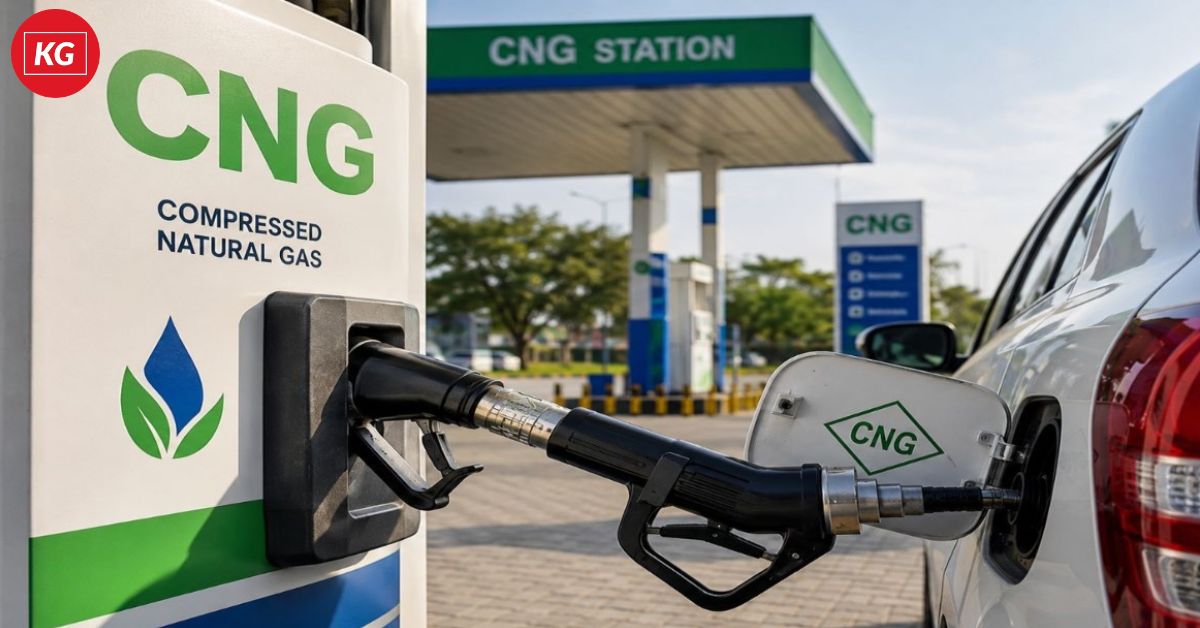
Compressed Natural Gas (CNG) prices have been increased by ₹2 per kg across major Indian cities including Delhi and Mumbai, effective May 15, 2026. In Delhi, the new rate is ₹79.09/kg, while in Mumbai and surrounding regions it now costs ₹84/kg. This hike follows a ₹3/litre increase in petrol and diesel prices, driven by global crude oil volatility and Middle East tensions.
City-Wise New Rates
- Delhi: ₹79.09/kg
- Noida, Greater Noida, Ghaziabad: Around ₹84/kg
- Gurugram: ₹87–88/kg
- Meerut, Kanpur: Around ₹91/kg
- Mumbai Metropolitan Region (MMR): ₹84/kg (Mumbai, Thane, Navi Mumbai, Raigarh)
- Other cities: Bengaluru remains unchanged at ₹90/kg; Hyderabad, Chennai, and Kolkata also report no revision yet.
🔍 Why Prices Are Rising
- Global crude oil surge: Prices have spiked above $120/barrel due to the ongoing Iran conflict and disruptions in the Strait of Hormuz.
- Supply chain disruptions: The Middle East crisis has strained energy flows, raising procurement costs for Indian distributors.
- Rupee depreciation: A weaker rupee adds to the import burden, making natural gas costlier.
💸 Impact on Daily Life
- Commuters: A weekly refill of 10 kg CNG now costs ₹20 more, adding nearly ₹80/month to expenses.
- Public transport: Auto-rickshaw and taxi unions in Mumbai are already demanding fare hikes, with proposals to raise the base fare by ₹1.
- Logistics & inflation: Higher transport costs ripple into food supply chains and household budgets, contributing to broader inflationary pressures.
⚠️ Risks & Considerations
- Inflationary pressure: Back-to-back hikes in petrol, diesel, and CNG may erode household spending power.
- Transport fare hikes: Auto and taxi unions are likely to push for fare revisions, directly affecting commuters.
- Policy trade-offs: The government had frozen fuel prices for years to shield consumers, but rising global costs have made hikes unavoidable.
🌍 The Bigger Picture
India’s dependence on imported crude and natural gas makes it vulnerable to global shocks. The current hikes highlight the need for alternative fuels, domestic energy production, and fuel efficiency measures. Prime Minister Modi has urged citizens to conserve fuel, adopt work-from-home practices, and reduce travel to ease the burden on imports.













Leave a Reply