
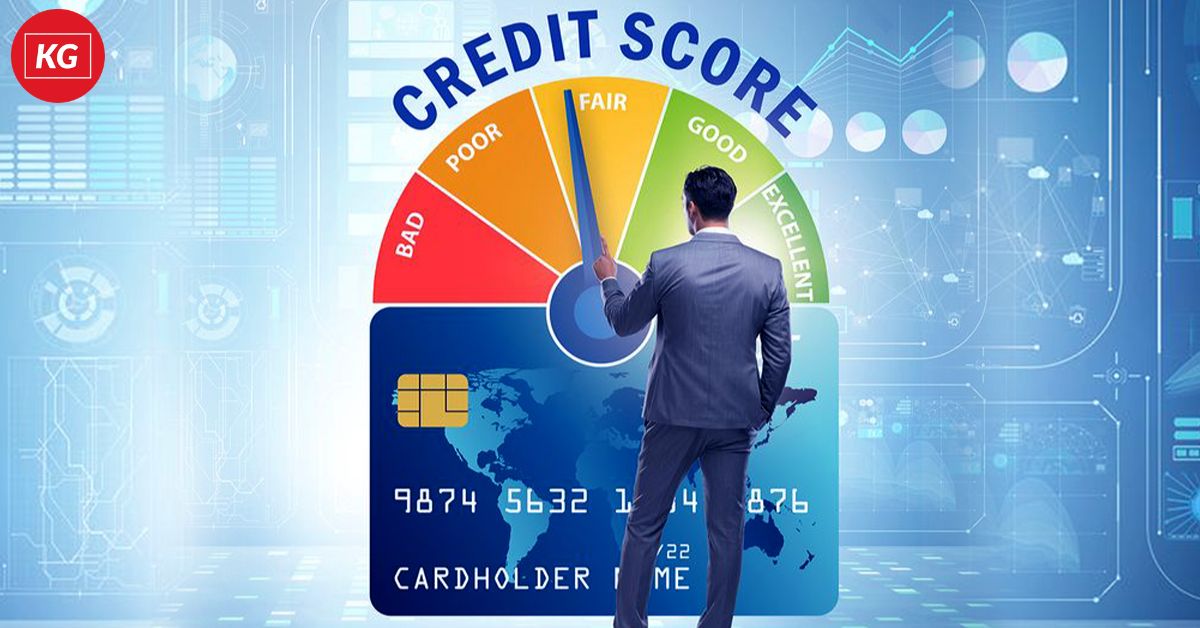
Credit cards are one of the most powerful financial tools in your pocket. They offer convenience, reward points, fraud protection, and a short-term liquidity bridge. But they also carry a double-edged sword: the Annual Percentage Rate (APR), commonly known as the interest rate.
If you carry a balance month-to-month, credit cards can quickly become an expensive way to borrow. However, the exact price you pay for that debt isn’t uniform. It is determined almost entirely by three digits: your credit score.
Understanding the direct connection between your credit score and your credit card’s interest rate can save you thousands of dollars over your financial lifetime. Here is a breakdown of how it works.
Why Banks Care About Your Credit Score
When a bank issues you a credit card, they are essentially giving you an unsecured, revolving loan. Because there is no collateral (like a house or a car) for them to seize if you default, the bank takes on a massive risk.
To mitigate this risk, financial institutions use a strategy called risk-based pricing. Your credit score acts as a financial report card. It tells the lender how likely you are to pay them back based on your historical behavior.
- High Credit Score (Low Risk): You have a proven track record of paying bills on time and managing debt responsibly. The bank rewards you with a lower interest rate because the risk of losing money on you is minimal.
- Low Credit Score (High Risk): Your history might show missed payments, high debt utilization, or a lack of credit history altogether. The bank views you as a high-risk gamble and charges a steep interest rate to protect its bottom line.
The Interest Rate Spectrum: What the Numbers Look Like
Credit card APRs vary wildly depending on where you sit on the credit spectrum. While national averages float around 19% to 21%, your personal rate can deviate sharply.
| Credit Tier | Credit Score Range (FICO) | Typical Credit Card APR |
| Excellent | 740 – 850 | 14% – 18% (or access to 0% promo rates) |
| Good | 670 – 739 | 19% – 23% |
| Fair | 580 – 669 | 24% – 28% |
| Poor | 300 – 579 | 29% – 35%+ (or secured cards only) |
The financial impact of these numbers is staggering. Imagine carrying a $5,000 balance on a card. At an excellent-tier APR of 15%, your monthly interest costs are manageable as you pay it down. At a poor-tier APR of 30%, you are effectively paying double the interest, causing your balance to snowball out of control.
The Hidden Penalty: What Happens When Your Score Drops?
Your credit card’s interest rate isn’t set in stone. Most credit cards feature variable APRs, meaning they track macro-economic index rates (like the federal prime rate). But your individual rate can also skyrocket if your credit behavior deteriorates.
If you miss a credit card payment by 60 days or more, the issuer can trigger a penalty APR. This is the highest interest rate a credit card can charge—often topping out at a brutal 29.99% to 34.99%. Furthermore, a drop in your credit score can cause other card issuers to review your profile and proactively raise your rates on those cards during periodic account reviews.
How to Lower Your Credit Card Interest Rates
If your credit score currently leaves you stuck with high APRs, you aren’t trapped forever. You can actively change the math using a few proven strategies:
1. Crushing Your Credit Utilization Ratio
Your credit utilization—the amount of credit you are using compared to your total limit—accounts for 30% of your credit score. Try to keep this ratio below 30%, and ideally below 10% for an excellent score. Paying down balances directly shrinks this ratio and sends your score upward.
2. Automate a Flawless Payment History
Payment history makes up 35% of your credit score. A single payment missed by 30 days can tank an excellent score by 50 to 100 points. Set up automatic minimum payments at a bare minimum so you never miss a due date.
3. Leverage Balance Transfer Cards
If you have managed to pull your credit score up into the “Good” range, apply for a 0% introductory APR balance transfer card. This pauses interest entirely for 12 to 21 months, allowing every dollar you pay to go directly toward the principal balance.
4. Just Ask Your Issuer
If your credit score has significantly improved since you first opened a specific credit card, call the number on the back of your card. Politely inform customer service that your credit profile has improved and ask for a rate reduction. If you have a clean payment history with them, they will often lower your APR by a few percentage points just to keep your business.
Final Thoughts
A credit card’s interest rate is effectively the “premium” you pay for carrying debt. By maintaining a stellar credit score, you force banks to compete for your business, driving that premium down. Treat your credit score like the financial asset it is. Build it up, keep it clean, and never let high interest rates dictate your financial freedom.











Leave a Reply