Khabar Gallan

Latest News Today: Breaking News and Top Headlines

Scania Introduces Revolutionary Electric CrewCab: The Future of Emergency and Heavy-Duty Transport Arrives

The global commercial vehicle industry is undergoing one of the most significant transformations in its history. As governments, businesses, and transportation providers increasingly focus on sustainability and carbon reduction, manufacturers are accelerating the development of electric commercial vehicles. In a major step forward, Scania has unveiled its first Electric CrewCab, showcasing how electrification is expanding beyond passenger vehicles and into specialized commercial applications. The introduction of the Electric CrewCab represents a significant milestone not only for Scania but also for the broader commercial transportation industry. Designed to meet the demanding requirements of emergency services, municipal operations, and specialized fleet applications, this innovative vehicle demonstrates that electric technology is capable of handling complex operational needs while reducing environmental impact. The unveiling highlights the growing momentum behind sustainable mobility solutions and signals a future where heavy-duty transportation can operate with significantly lower emissions without compromising performance, reliability, or functionality. The Growing Shift Toward Electric Commercial Vehicles The commercial vehicle sector has traditionally relied on diesel-powered engines due to their durability, range, and performance characteristics. However, rising environmental concerns and stricter emissions regulations are driving a shift toward alternative propulsion systems. Electric commercial vehicles are becoming increasingly attractive because they offer: Reduced carbon emissions Lower operating costs Quieter operation Improved energy efficiency Reduced maintenance requirements Enhanced urban sustainability As battery technology continues to improve, electric vehicles are expanding into sectors that were once considered difficult to electrify. The launch of the Electric CrewCab demonstrates how far this technology has progressed. What Is a CrewCab Vehicle? A CrewCab vehicle is specifically designed to transport multiple personnel while carrying specialized equipment and tools. These vehicles are commonly used in: Fire and rescue services Emergency response operations Utility companies Municipal services Disaster management teams Industrial support operations Unlike conventional trucks, CrewCab vehicles provide additional seating capacity, allowing teams to travel together and respond efficiently to operational requirements. The transition of this vehicle category to electric power marks an important development in commercial transportation. Why the Electric CrewCab Is a Significant Innovation The unveiling of the Electric CrewCab is notable because it addresses one of the most challenging areas of transportation electrification. Emergency and specialized service vehicles require: Reliable performance Rapid response capability High operational availability Dependable power delivery Robust engineering Historically, these requirements have made electrification difficult. However, advancements in battery systems, electric motors, energy management software, and charging infrastructure have enabled manufacturers to develop practical electric solutions for these demanding applications. The Electric CrewCab demonstrates that sustainable transportation can now support mission-critical operations. The Role of Sustainability in Commercial Transportation Environmental sustainability has become a central focus for governments and businesses worldwide. Commercial vehicles contribute significantly to transportation-related emissions, particularly in urban areas. Electric vehicles help address these concerns by offering: Zero Tailpipe Emissions Electric trucks produce no direct exhaust emissions during operation, improving air quality in cities and communities. Reduced Noise Pollution Electric drivetrains operate much more quietly than traditional diesel engines. This can be particularly beneficial for: Residential areas Emergency response operations Nighttime service activities Urban environments Improved Energy Efficiency Electric powertrains convert energy more efficiently than internal combustion engines. This efficiency contributes to lower overall energy consumption and reduced environmental impact. The Electric CrewCab aligns closely with these sustainability objectives. Advanced Electric Powertrain Technology Modern electric commercial vehicles rely on sophisticated technologies that enable them to perform demanding tasks. High-Performance Electric Motors Electric motors deliver instant torque, providing strong acceleration and responsive performance. This characteristic is especially valuable for emergency response vehicles that must react quickly in critical situations. Advanced Battery Systems Modern battery technology offers improved: Energy density Durability Charging performance Operational reliability These improvements make electric commercial vehicles increasingly practical for real-world applications. Intelligent Energy Management Advanced software continuously monitors energy usage and optimizes vehicle performance. This helps maximize efficiency and extend operational range. Regenerative Braking Regenerative braking systems recover energy during deceleration and store it for future use. This technology improves overall efficiency and reduces energy consumption. Together, these innovations make electric heavy-duty vehicles more capable than ever before. Benefits for Emergency and Municipal Services One of the most exciting aspects of the Electric CrewCab is its potential impact on public service organizations. Enhanced Urban Operations Electric vehicles are particularly well suited to urban environments where frequent stops and starts are common. Lower Operating Costs Electric vehicles generally offer lower energy and maintenance expenses compared to traditional diesel-powered alternatives. Potential savings include: Reduced fuel costs Fewer moving parts Lower servicing requirements Improved energy efficiency Improved Working Environment The quiet operation of electric vehicles creates a more comfortable environment for personnel. This can be especially beneficial during extended shifts and emergency response situations. Environmental Leadership Public service organizations increasingly seek sustainable transportation solutions that support broader environmental goals. Electric fleets help demonstrate commitment to responsible environmental stewardship. Safety and Reliability Considerations Safety remains a top priority in commercial vehicle design. Electric CrewCab vehicles are expected to incorporate numerous safety technologies, including: Advanced Driver Assistance Systems Modern commercial vehicles often feature: Collision warning systems Emergency braking assistance Lane monitoring technologies Stability control systems Structural Safety Robust chassis design and reinforced vehicle structures help protect occupants in demanding operating conditions. Battery Protection Systems Electric vehicles utilize sophisticated battery management systems designed to ensure safe operation under a wide range of conditions. Real-Time Monitoring Connected technologies enable continuous monitoring of vehicle performance and operational status. These features contribute to safer and more reliable fleet operations. How Electrification Is Transforming the Truck Industry The unveiling of the Electric CrewCab reflects broader trends reshaping the commercial vehicle sector. Several developments are accelerating industry transformation: Stricter Emissions Standards Governments worldwide continue implementing regulations aimed at reducing transportation-related emissions. Corporate Sustainability Goals Businesses increasingly prioritize sustainability as part of their long-term strategies. Technological Advancements Improvements in batteries, charging systems, and software are making electric trucks more practical. Infrastructure Expansion Charging networks for commercial vehicles continue to grow, supporting wider adoption. These factors are driving significant investment in electric transportation technologies. Challenges Facing Electric Commercial Vehicles Despite impressive progress, several challenges remain. Charging Infrastructure Commercial fleets require reliable charging solutions capable of supporting intensive operations. Battery Costs While battery prices continue declining, they remain a significant component of vehicle costs. Operational Planning Fleet operators must carefully manage charging schedules and energy requirements. Range Considerations Some specialized applications may require longer operating ranges than current battery technology can provide. However, ongoing innovation continues addressing these challenges. Future Opportunities for Electric Fleet Operations The commercial transportation sector is expected to experience continued electrification over the coming decade. Potential developments include: Smart Fleet Management Connected technologies will enable more efficient vehicle monitoring and optimization. Faster Charging Solutions Advancements in charging technology are expected to reduce downtime and improve operational flexibility. Improved Battery Performance Future batteries may offer greater range, faster charging, and longer service life. Renewable Energy Integration Electric fleets can increasingly be powered by renewable energy sources, further reducing environmental impact. These trends support long-term growth in electric commercial transportation. Economic Impact of Commercial Vehicle Electrification The transition to electric transportation creates significant economic opportunities. Industry Investment Manufacturers continue investing billions in electric vehicle development and production. Job Creation New technologies generate demand for skilled workers in: Engineering Software development Battery manufacturing Charging infrastructure deployment Energy Sector Growth The expansion of electric transportation supports broader growth in renewable energy and smart grid technologies. These economic benefits extend far beyond vehicle manufacturing. A New Era for Sustainable Heavy-Duty Mobility The introduction of the Electric CrewCab represents more than a new product launch. It symbolizes a broader transformation within the transportation industry. Electric commercial vehicles are no longer limited to light-duty applications. They are increasingly capable of handling complex operational demands while supporting environmental objectives. This progress demonstrates the growing maturity of electric vehicle technology and its potential to reshape commercial transportation worldwide. Conclusion The unveiling of Scania's first Electric CrewCab marks a major milestone in the evolution of commercial transportation. By combining advanced electric powertrain technology with the functionality required for emergency response and specialized operations, the vehicle showcases how electrification is expanding into new and demanding sectors. As governments, businesses, and public service organizations continue pursuing sustainability goals, electric commercial vehicles are becoming an increasingly important part of the transportation landscape. The Electric CrewCab highlights the potential for zero-emission solutions to deliver performance, reliability, and operational efficiency without compromising environmental responsibility. With continued advancements in battery technology, charging infrastructure, and intelligent fleet management systems, the future of commercial transportation appears increasingly electric. The Electric CrewCab serves as a powerful example of how innovation is helping shape a cleaner, smarter, and more sustainable future for heavy-duty mobility.


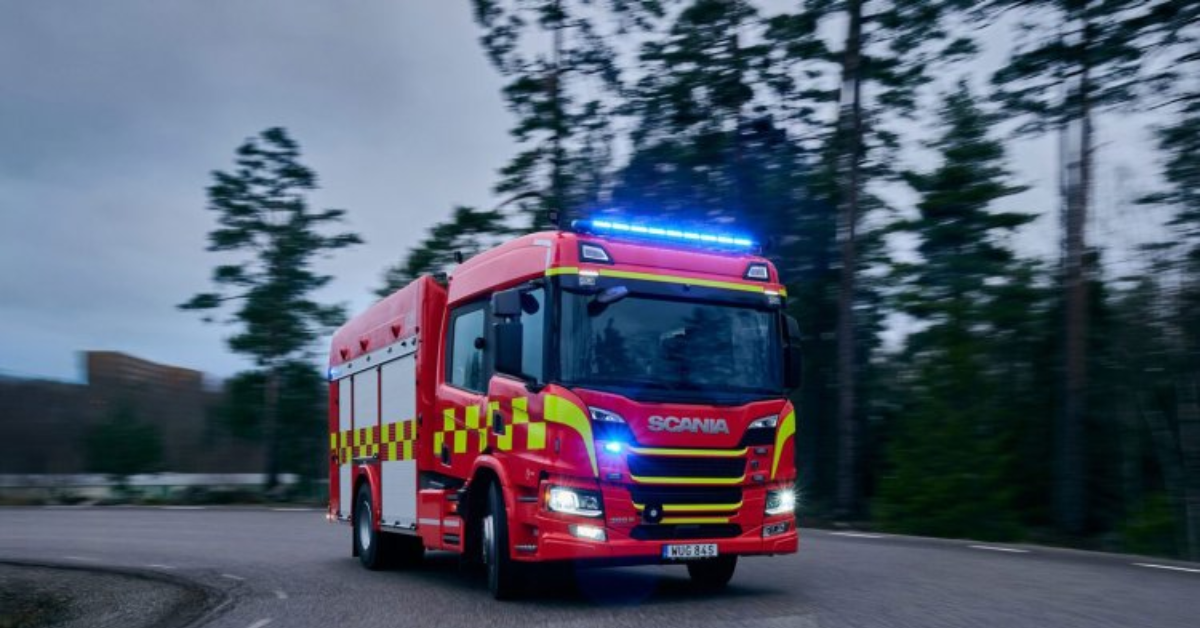
The global commercial vehicle industry is undergoing one of the most significant transformations in its history. As governments, businesses, and transportation providers increasingly focus on sustainability and carbon reduction, manufacturers are accelerating the development of electric commercial vehicles. In a major step forward, Scania has unveiled its first Electric CrewCab, showcasing how electrification is expanding beyond passenger vehicles and into specialized commercial applications.

The introduction of the Electric CrewCab represents a significant milestone not only for Scania but also for the broader commercial transportation industry. Designed to meet the demanding requirements of emergency services, municipal operations, and specialized fleet applications, this innovative vehicle demonstrates that electric technology is capable of handling complex operational needs while reducing environmental impact.

The unveiling highlights the growing momentum behind sustainable mobility solutions and signals a future where heavy-duty transportation can operate with significantly lower emissions without compromising performance, reliability, or functionality.

The Growing Shift Toward Electric Commercial Vehicles

The commercial vehicle sector has traditionally relied on diesel-powered engines due to their durability, range, and performance characteristics. However, rising environmental concerns and stricter emissions regulations are driving a shift toward alternative propulsion systems.

Electric commercial vehicles are becoming increasingly attractive because they offer:

  • Reduced carbon emissions
  • Lower operating costs
  • Quieter operation
  • Improved energy efficiency
  • Reduced maintenance requirements
  • Enhanced urban sustainability

As battery technology continues to improve, electric vehicles are expanding into sectors that were once considered difficult to electrify.

The launch of the Electric CrewCab demonstrates how far this technology has progressed.

What Is a CrewCab Vehicle?

A CrewCab vehicle is specifically designed to transport multiple personnel while carrying specialized equipment and tools.

These vehicles are commonly used in:

  • Fire and rescue services
  • Emergency response operations
  • Utility companies
  • Municipal services
  • Disaster management teams
  • Industrial support operations

Unlike conventional trucks, CrewCab vehicles provide additional seating capacity, allowing teams to travel together and respond efficiently to operational requirements.

The transition of this vehicle category to electric power marks an important development in commercial transportation.

Why the Electric CrewCab Is a Significant Innovation

The unveiling of the Electric CrewCab is notable because it addresses one of the most challenging areas of transportation electrification.

Emergency and specialized service vehicles require:

  • Reliable performance
  • Rapid response capability
  • High operational availability
  • Dependable power delivery
  • Robust engineering

Historically, these requirements have made electrification difficult.

However, advancements in battery systems, electric motors, energy management software, and charging infrastructure have enabled manufacturers to develop practical electric solutions for these demanding applications.

The Electric CrewCab demonstrates that sustainable transportation can now support mission-critical operations.

The Role of Sustainability in Commercial Transportation

Environmental sustainability has become a central focus for governments and businesses worldwide.

Commercial vehicles contribute significantly to transportation-related emissions, particularly in urban areas.

Electric vehicles help address these concerns by offering:

Zero Tailpipe Emissions

Electric trucks produce no direct exhaust emissions during operation, improving air quality in cities and communities.

Reduced Noise Pollution

Electric drivetrains operate much more quietly than traditional diesel engines.

This can be particularly beneficial for:

  • Residential areas
  • Emergency response operations
  • Nighttime service activities
  • Urban environments

Improved Energy Efficiency

Electric powertrains convert energy more efficiently than internal combustion engines.

This efficiency contributes to lower overall energy consumption and reduced environmental impact.

The Electric CrewCab aligns closely with these sustainability objectives.

Advanced Electric Powertrain Technology

Modern electric commercial vehicles rely on sophisticated technologies that enable them to perform demanding tasks.

High-Performance Electric Motors

Electric motors deliver instant torque, providing strong acceleration and responsive performance.

This characteristic is especially valuable for emergency response vehicles that must react quickly in critical situations.

Advanced Battery Systems

Modern battery technology offers improved:

  • Energy density
  • Durability
  • Charging performance
  • Operational reliability

These improvements make electric commercial vehicles increasingly practical for real-world applications.

Intelligent Energy Management

Advanced software continuously monitors energy usage and optimizes vehicle performance.

This helps maximize efficiency and extend operational range.

Regenerative Braking

Regenerative braking systems recover energy during deceleration and store it for future use.

This technology improves overall efficiency and reduces energy consumption.

Together, these innovations make electric heavy-duty vehicles more capable than ever before.

Benefits for Emergency and Municipal Services

One of the most exciting aspects of the Electric CrewCab is its potential impact on public service organizations.

Enhanced Urban Operations

Electric vehicles are particularly well suited to urban environments where frequent stops and starts are common.

Lower Operating Costs

Electric vehicles generally offer lower energy and maintenance expenses compared to traditional diesel-powered alternatives.

Potential savings include:

  • Reduced fuel costs
  • Fewer moving parts
  • Lower servicing requirements
  • Improved energy efficiency

Improved Working Environment

The quiet operation of electric vehicles creates a more comfortable environment for personnel.

This can be especially beneficial during extended shifts and emergency response situations.

Environmental Leadership

Public service organizations increasingly seek sustainable transportation solutions that support broader environmental goals.

Electric fleets help demonstrate commitment to responsible environmental stewardship.

Safety and Reliability Considerations

Safety remains a top priority in commercial vehicle design.

Electric CrewCab vehicles are expected to incorporate numerous safety technologies, including:

Advanced Driver Assistance Systems

Modern commercial vehicles often feature:

  • Collision warning systems
  • Emergency braking assistance
  • Lane monitoring technologies
  • Stability control systems

Structural Safety

Robust chassis design and reinforced vehicle structures help protect occupants in demanding operating conditions.

Battery Protection Systems

Electric vehicles utilize sophisticated battery management systems designed to ensure safe operation under a wide range of conditions.

Real-Time Monitoring

Connected technologies enable continuous monitoring of vehicle performance and operational status.

These features contribute to safer and more reliable fleet operations.

How Electrification Is Transforming the Truck Industry

The unveiling of the Electric CrewCab reflects broader trends reshaping the commercial vehicle sector.

Several developments are accelerating industry transformation:

Stricter Emissions Standards

Governments worldwide continue implementing regulations aimed at reducing transportation-related emissions.

Corporate Sustainability Goals

Businesses increasingly prioritize sustainability as part of their long-term strategies.

Technological Advancements

Improvements in batteries, charging systems, and software are making electric trucks more practical.

Infrastructure Expansion

Charging networks for commercial vehicles continue to grow, supporting wider adoption.

These factors are driving significant investment in electric transportation technologies.

Challenges Facing Electric Commercial Vehicles

Despite impressive progress, several challenges remain.

Charging Infrastructure

Commercial fleets require reliable charging solutions capable of supporting intensive operations.

Battery Costs

While battery prices continue declining, they remain a significant component of vehicle costs.

Operational Planning

Fleet operators must carefully manage charging schedules and energy requirements.

Range Considerations

Some specialized applications may require longer operating ranges than current battery technology can provide.

However, ongoing innovation continues addressing these challenges.

Future Opportunities for Electric Fleet Operations

The commercial transportation sector is expected to experience continued electrification over the coming decade.

Potential developments include:

Smart Fleet Management

Connected technologies will enable more efficient vehicle monitoring and optimization.

Faster Charging Solutions

Advancements in charging technology are expected to reduce downtime and improve operational flexibility.

Improved Battery Performance

Future batteries may offer greater range, faster charging, and longer service life.

Renewable Energy Integration

Electric fleets can increasingly be powered by renewable energy sources, further reducing environmental impact.

These trends support long-term growth in electric commercial transportation.

Economic Impact of Commercial Vehicle Electrification

The transition to electric transportation creates significant economic opportunities.

Industry Investment

Manufacturers continue investing billions in electric vehicle development and production.

Job Creation

New technologies generate demand for skilled workers in:

  • Engineering
  • Software development
  • Battery manufacturing
  • Charging infrastructure deployment

Energy Sector Growth

The expansion of electric transportation supports broader growth in renewable energy and smart grid technologies.

These economic benefits extend far beyond vehicle manufacturing.

A New Era for Sustainable Heavy-Duty Mobility

The introduction of the Electric CrewCab represents more than a new product launch. It symbolizes a broader transformation within the transportation industry.

Electric commercial vehicles are no longer limited to light-duty applications. They are increasingly capable of handling complex operational demands while supporting environmental objectives.

This progress demonstrates the growing maturity of electric vehicle technology and its potential to reshape commercial transportation worldwide.

Conclusion

The unveiling of Scania’s first Electric CrewCab marks a major milestone in the evolution of commercial transportation. By combining advanced electric powertrain technology with the functionality required for emergency response and specialized operations, the vehicle showcases how electrification is expanding into new and demanding sectors.

As governments, businesses, and public service organizations continue pursuing sustainability goals, electric commercial vehicles are becoming an increasingly important part of the transportation landscape. The Electric CrewCab highlights the potential for zero-emission solutions to deliver performance, reliability, and operational efficiency without compromising environmental responsibility.

With continued advancements in battery technology, charging infrastructure, and intelligent fleet management systems, the future of commercial transportation appears increasingly electric. The Electric CrewCab serves as a powerful example of how innovation is helping shape a cleaner, smarter, and more sustainable future for heavy-duty mobility.

Leave a Reply

Your email address will not be published. Required fields are marked *