
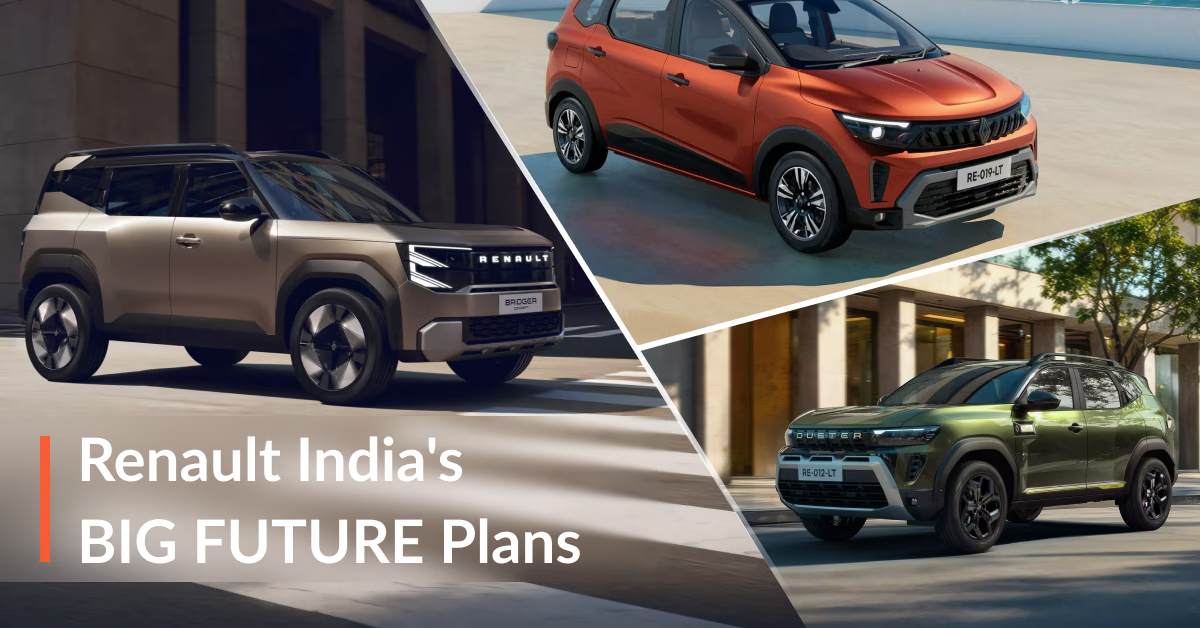
The Indian automotive market is entering a transformative phase, and Renault India is gearing up to play a much bigger role in shaping its future. With a bold announcement outlining its roadmap until 2030, the company has revealed plans to introduce seven new products, including updates to existing models, all-new vehicles, and its first electric car for the Indian market.
This move signals a strong commitment toward growth, innovation, and long-term presence. More importantly, it reflects a shift in strategy that aligns with changing consumer preferences and global automotive trends.
Let’s take a closer look at what Renault’s big future plans mean for buyers and the industry.
A Strong Comeback Strategy in the Making
Renault has had a mixed journey in India over the years. While it has delivered successful models in the past, competition in the market has intensified, making it challenging to maintain a dominant position.
With this new roadmap, the company is aiming to strengthen its portfolio and regain market share. The focus is clear—expand the lineup, improve technology, and cater to evolving customer expectations.
By planning seven launches over the next few years, Renault is ensuring a steady flow of new products that can keep the brand relevant and competitive.
Seven Launches by 2030: What to Expect
Renault’s announcement of seven upcoming launches is a major highlight. These launches are expected to include:
- Facelifts of existing models
- Next-generation versions of popular cars
- Brand-new SUVs
- Renault’s first electric vehicle in India
This mix of updates and new products indicates a balanced strategy. Instead of relying only on new launches, Renault is also focusing on improving its current lineup to stay competitive.
This approach ensures that the brand remains visible in the market while preparing for the future.
Focus on SUVs: The Core of the Strategy
One of the most important aspects of Renault’s future plan is its strong focus on SUVs.
SUVs continue to dominate the Indian automotive market, with buyers preferring their higher seating position, road presence, and versatility. Renault plans to capitalize on this trend by introducing multiple SUVs across different segments.
These new SUVs are expected to offer:
- Modern design and styling
- Advanced technology features
- Improved performance and efficiency
- Competitive pricing
By expanding its SUV portfolio, Renault aims to attract a wider range of customers, from first-time buyers to those looking for premium options.
First Electric Vehicle: A Step Toward the Future
Perhaps the most exciting part of Renault’s roadmap is the introduction of its first electric vehicle in India.
The global automotive industry is rapidly shifting toward electric mobility, and Renault is aligning itself with this trend. The upcoming EV is expected to be designed specifically for Indian conditions, focusing on affordability, practicality, and usability.
Key expectations from Renault’s EV strategy include:
- Competitive pricing to attract mass-market buyers
- Practical driving range suitable for daily use
- Modern features and connectivity
- Efficient charging solutions
This move marks Renault’s entry into the electric vehicle segment, which is expected to grow significantly in the coming years.
New Platform and Technology Development
To support its future lineup, Renault is also working on a new modular platform.
This platform will serve as the foundation for multiple upcoming models, offering several advantages:
- Reduced production costs
- Faster development cycles
- Flexibility to support different body styles
- Compatibility with petrol, hybrid, and electric powertrains
Platform-based development is becoming a standard practice in the industry, allowing manufacturers to adapt quickly to changing market demands.
For Renault, this means more efficient production and the ability to introduce new models faster.
Multi-Powertrain Approach: Flexibility for Buyers
Another key highlight of Renault’s strategy is its multi-powertrain approach.
Instead of focusing solely on electric vehicles, the company plans to offer a mix of:
- Petrol engines
- Hybrid technology
- Electric vehicles
This approach ensures that buyers have multiple options based on their needs and preferences.
For example:
- Petrol engines will continue to serve budget-conscious buyers
- Hybrid technology will offer better fuel efficiency
- Electric vehicles will cater to eco-conscious consumers
By offering multiple powertrain options, Renault is ensuring that it does not limit itself to a single technology.
Design and Feature Upgrades: Meeting Modern Expectations
Renault’s future models are expected to bring significant improvements in design and features.
Modern buyers expect more than just basic functionality. They want:
- Advanced infotainment systems
- Connected car technology
- Premium interiors
- Enhanced safety features
Renault’s upcoming lineup is likely to focus heavily on these aspects, ensuring that its vehicles remain competitive in a feature-driven market.
This shift toward premium features will help the brand appeal to a broader audience.
Safety and Technology: A Growing Priority
Safety has become a major consideration for car buyers, and Renault is expected to place greater emphasis on this area in its future models.
Upcoming vehicles are likely to include:
- Multiple airbags
- Electronic stability control
- Advanced driver assistance systems
- Improved structural strength
By enhancing safety features, Renault aims to build trust and attract more family buyers.
Market Impact: Increased Competition Ahead
Renault’s aggressive expansion plan is likely to intensify competition in the Indian automotive market.
With new SUVs, updated models, and an electric vehicle in the pipeline, the brand is positioning itself as a strong contender across multiple segments.
This will benefit consumers in several ways:
- More choices in each segment
- Better features at competitive prices
- Faster adoption of new technologies
Competition often drives innovation, and Renault’s strategy could push other manufacturers to step up their game as well.
Challenges Renault May Face
While the future looks promising, Renault will also face several challenges.
These include:
- Strong competition from established brands
- Rapid changes in consumer preferences
- Infrastructure challenges for electric vehicles
- Pricing pressures in a competitive market
Successfully navigating these challenges will be crucial for Renault’s long-term success.
What This Means for Buyers
For car buyers, Renault’s future plans bring exciting opportunities.
With multiple new launches planned, buyers can expect:
- A wider range of options
- Improved technology and features
- Competitive pricing
- Entry-level and premium offerings
Whether you are looking for a compact SUV, a family car, or an electric vehicle, Renault’s upcoming lineup is likely to offer something for everyone.
Final Thoughts: A Bold Step Toward Growth
Renault India’s announcement of seven new launches by 2030 reflects a clear and ambitious vision.
The combination of new models, updated vehicles, and an electric car shows that the company is preparing for both present and future demands.
This strategy is not just about increasing sales—it’s about building a stronger brand and staying relevant in a rapidly evolving market.
Conclusion
The automotive industry is changing faster than ever, and Renault India is positioning itself to be a key player in this transformation.
With seven planned launches, a focus on SUVs, and entry into the electric vehicle space, the company is taking significant steps toward growth and innovation.
For buyers, this means more choices, better features, and access to new technologies in the coming years.
As 2030 approaches, Renault’s journey will be one to watch closely—because it has the potential to reshape its presence in the Indian market in a big way.






Leave a Reply