
Ferrari is one of the most iconic automotive brands in the world. For decades, the Italian supercar manufacturer has been associated with aggressive styling, naturally aspirated engines, screaming exhaust notes, and timeless performance-focused design. Every Ferrari, whether classic or modern, carries a visual identity that enthusiasts instantly recognize.
But now, the automotive world is entering a new era. Electric vehicles are rapidly reshaping the future of performance cars, luxury mobility, and automotive engineering. Even legendary supercar brands can no longer ignore the shift toward electrification.
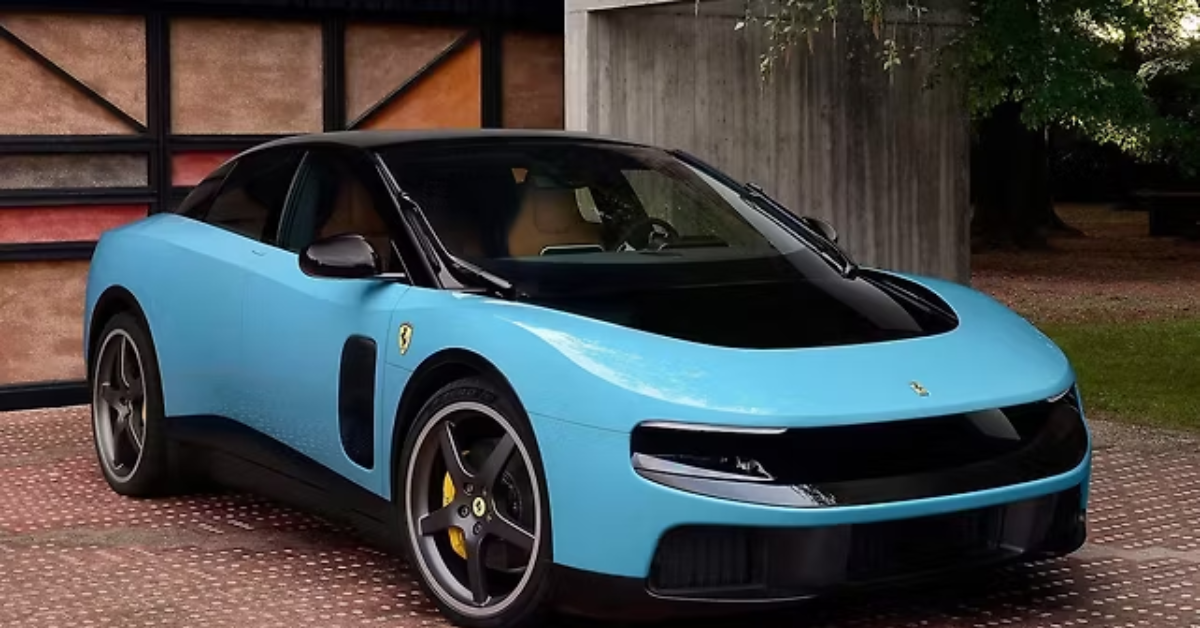
That is exactly why Ferrari’s first fully electric vehicle has become one of the most talked-about upcoming supercars in the world. However, what surprised enthusiasts the most is not the fact that Ferrari is building an EV — it is the way the car looks.
Unlike traditional Ferraris with low-slung exotic proportions and aggressive supercar styling, Ferrari’s first EV appears more futuristic, experimental, and unconventional. In fact, many enthusiasts believe it doesn’t even resemble a “typical Ferrari.”
So why has Ferrari taken such a different design direction for its first electric vehicle?
The answer lies in changing technology, aerodynamics, customer expectations, battery packaging, and Ferrari’s long-term vision for the future.
Ferrari Is Entering a Completely New Era
Ferrari has always been deeply connected to internal combustion engines. The sound of a Ferrari V8 or V12 is considered part of the brand’s soul. Engine emotion has always played a major role in Ferrari’s identity.
However, the shift toward electric mobility has forced even luxury performance brands to rethink everything:
- Vehicle architecture
- Weight distribution
- Aerodynamics
- Cooling systems
- Cabin design
- Driving experience
An electric Ferrari cannot simply be a traditional Ferrari with batteries added underneath. EV technology changes the entire structure of a car.
This is one of the biggest reasons Ferrari’s first EV looks so different.
EV Packaging Changes Vehicle Design Completely
Traditional Ferraris are designed around large combustion engines mounted either in the front or middle of the car. These engines heavily influence the proportions and shape of the vehicle.
Electric vehicles work differently.
Why EV Design Is Different
Electric cars use:
- Large battery packs
- Electric motors
- Advanced cooling systems
- Flat-floor architecture
This changes the overall proportions dramatically.
Instead of focusing on engine placement, designers must now optimize:
- Battery positioning
- Weight balance
- Cabin space
- Aerodynamic airflow
- Efficiency
Because of this, Ferrari’s EV naturally adopts a different body shape compared to traditional supercars.
Aerodynamics Matter More Than Ever
Ferrari has always focused heavily on aerodynamics, but EVs require even more aerodynamic efficiency.
In petrol-powered supercars, aggressive styling and massive air intakes often serve both cooling and visual drama. Electric vehicles, however, generate power differently and require different airflow management.
Ferrari’s EV Prioritizes Efficiency
The first Ferrari EV appears smoother and more sculpted because:
- EVs benefit from reduced drag
- Better aerodynamics improve driving range
- Airflow optimization enhances battery cooling
- Lower drag improves high-speed stability
As a result, the car looks less aggressive in the traditional Ferrari sense and more futuristic in its surfacing and body lines.
This aerodynamic approach may initially feel unfamiliar to Ferrari fans used to dramatic supercar styling.
The Car Is Designed for a New Generation of Buyers
Ferrari understands that the future customer base may not think the same way as traditional enthusiasts.
Younger luxury buyers today often prioritize:
- Technology
- Sustainability
- Innovation
- Digital integration
- Futuristic design
Modern EV buyers are attracted to clean, advanced-looking vehicles rather than purely aggressive supercar aesthetics.
Ferrari’s first EV is likely designed not only for existing Ferrari collectors but also for a completely new generation of ultra-luxury EV customers.
That explains why the design feels more experimental and modern.
Ferrari Wants the EV to Have Its Own Identity
One of the biggest mistakes luxury brands can make is creating electric cars that simply imitate their petrol counterparts.
Ferrari appears to be taking the opposite approach.
Creating a Separate EV Identity
Rather than copying existing Ferrari design formulas, the company seems to be developing:
- A new design language
- A new aerodynamic philosophy
- A distinct EV personality
This helps Ferrari establish its electric future without constantly comparing the EV to legendary combustion-powered models.
The company likely wants buyers to see the electric Ferrari as:
- A new chapter
- A technological leap
- A future-focused supercar
instead of merely a silent replacement for older Ferraris.
Battery Technology Forces Higher Ride Height
Traditional Ferraris are famous for extremely low and dramatic proportions. However, electric vehicle battery placement often affects ride height and body structure.
Why Ferrari’s EV Looks Taller
Battery packs are usually mounted under the floor, which can:
- Raise seating position slightly
- Alter cabin proportions
- Increase overall vehicle height
This may explain why Ferrari’s EV appears less like a classic low-slung supercar and more like a futuristic performance crossover or GT-style machine.
While some purists may dislike this change, it is often necessary for:
- Practicality
- Battery packaging
- Structural rigidity
- Passenger comfort
Cooling Requirements Have Changed
Internal combustion Ferraris require large intakes for engine cooling. Electric vehicles still need cooling, but the requirements are different.
Ferrari’s EV likely focuses more on:
- Battery thermal management
- Motor cooling
- Software-controlled airflow
- Efficiency optimization
As a result, the front-end design may look cleaner and less aggressive than traditional Ferraris.
The absence of a large combustion engine also changes how designers shape the nose of the car.
Sound Is No Longer the Main Emotional Element
Ferrari’s identity has long been linked to emotional engine sound. Without a roaring V8 or V12, Ferrari must now create emotion through:
- Design
- Acceleration
- Technology
- Driving dynamics
- Futuristic experience
This shift affects styling philosophy significantly.
The company likely wants the EV to look advanced and dramatic in a completely different way from traditional Ferraris.
Instead of emotional noise, the focus becomes:
- Instant acceleration
- Silent power delivery
- Digital driving experience
- Visual innovation
Ferrari Still Needs to Preserve Brand DNA
Although the EV looks different, Ferrari cannot completely abandon its identity.
Ferrari Elements Still Expected
Even with a futuristic design, the EV will likely retain:
- Sharp performance-focused lines
- Premium proportions
- Aggressive stance
- Driver-focused cockpit
- Signature lighting design
- Aerodynamic sculpting
Ferrari understands that heritage still matters deeply to buyers.
The challenge is balancing:
- Tradition
- Innovation
- Electrification
- Brand recognition
This balancing act is why the design appears evolutionary rather than fully radical.
Ferrari Is Competing With New EV Rivals
The electric supercar market is becoming highly competitive.
Ferrari’s EV will likely compete with:
- High-performance luxury EVs
- Electric hypercars
- Advanced performance sedans
- Premium electric GT cars
To stand out in this new market, Ferrari cannot rely only on nostalgia. It needs to look futuristic enough to compete with next-generation luxury EV brands.
This competitive pressure pushes Ferrari toward a more modern and technology-focused design language.
Traditional Ferrari Fans May Need Time to Accept It
Whenever Ferrari introduces something radically different, reactions are often mixed at first.
This has happened before with:
- Turbocharged Ferraris
- Hybrid Ferraris
- Larger Ferrari models
- SUV-inspired Ferrari vehicles
Yet over time, many controversial Ferrari designs eventually become accepted and even admired.
The first EV may follow the same path.
Initially, enthusiasts may struggle with:
- The lack of traditional styling
- The absence of engine sound
- The futuristic proportions
But Ferrari’s engineering, performance, and driving dynamics may ultimately define the car’s success.
The Future of Ferrari Is Bigger Than One Car
Ferrari’s first EV is not just another product launch — it represents the beginning of an entirely new era for the company.
The design differences signal:
- A changing automotive industry
- The rise of electrification
- New luxury expectations
- Future-focused engineering
Ferrari understands that the future cannot simply replicate the past.
That is why the company appears willing to experiment boldly with design and technology while still preserving core Ferrari values like performance, exclusivity, and emotional driving appeal.
Final Verdict
Ferrari’s first electric vehicle doesn’t look like a traditional Ferrari because it was never meant to. The shift from combustion engines to electric power changes everything — from vehicle architecture and aerodynamics to proportions and emotional appeal.
Instead of creating a simple electric version of an older Ferrari, the company appears to be building a completely new type of performance machine designed for the future.
The futuristic styling reflects:
- New EV packaging requirements
- Improved aerodynamic efficiency
- Advanced battery technology
- Changing luxury customer preferences
- Ferrari’s long-term electrification strategy
While traditional Ferrari fans may initially find the design unusual, the car represents something much larger than aesthetics alone. It symbolizes Ferrari’s attempt to evolve without losing its identity in a rapidly changing automotive world.
The real question is not whether Ferrari’s first EV looks like a traditional Ferrari — it is whether the car can still deliver the excitement, exclusivity, and emotional connection that define the Ferrari experience.













Leave a Reply