

The Indian automobile market is witnessing a major shift as the revised GST structure—popularly referred to as GST 2.0—has started influencing buying behavior. Leading automakers like Maruti Suzuki, Hyundai Motor Company, and Tata Motors are reporting a noticeable increase in first-time car buyers.
This surge highlights how tax reforms can directly impact consumer affordability and demand in one of the world’s fastest-growing automobile markets.
💰 What is GST 2.0 and Why It Matters?
GST 2.0 refers to the revised tax framework that aims to simplify taxation and reduce the financial burden on consumers.
Key Changes:
- Rationalized GST rates for entry-level cars
- Lower tax burden on small and fuel-efficient vehicles
- Potential incentives for eco-friendly vehicles
Impact on Buyers:
- Reduced on-road prices
- Better affordability
- Increased accessibility for middle-class families
This has made owning a car more achievable, especially for first-time buyers.
📈 Rise of First-Time Car Buyers
One of the biggest outcomes of GST 2.0 is the rise in new buyers entering the market.
Why First-Time Buyers Are Increasing:
- Lower initial cost of ownership
- Attractive financing options
- Improved income levels
- Changing lifestyle preferences
Many families who previously relied on two-wheelers or public transport are now upgrading to cars.
🚘 Brands Benefiting the Most
Leading automobile companies are seeing strong demand from new buyers.
Key Players:
- Maruti Suzuki – Dominating entry-level segment
- Hyundai Motor Company – Feature-rich compact cars
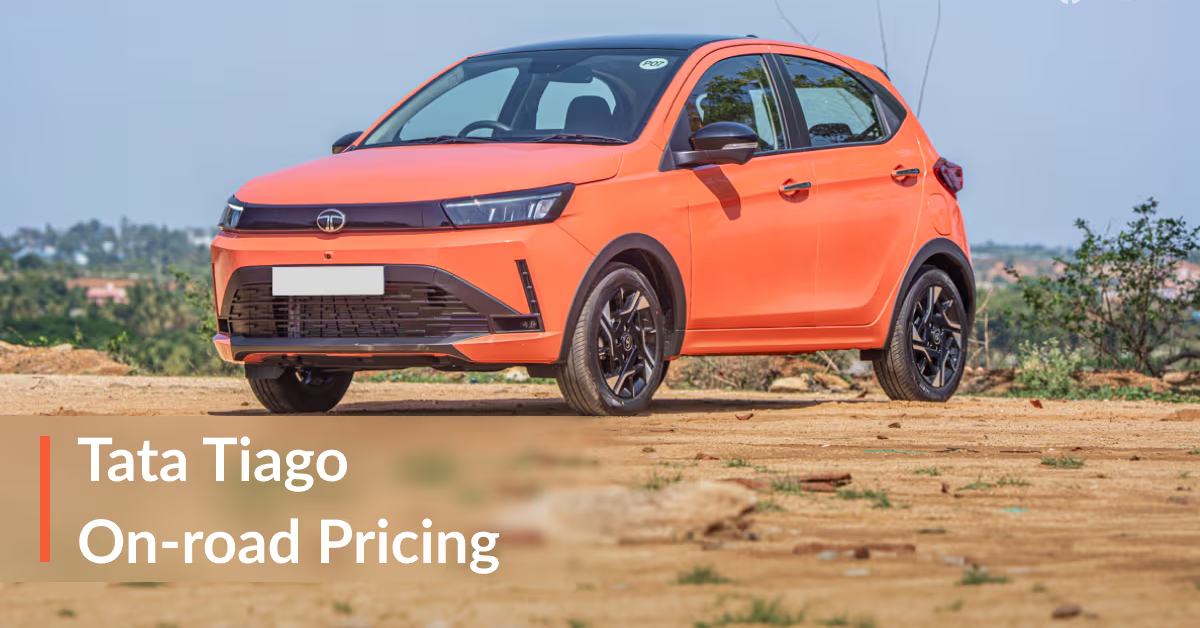
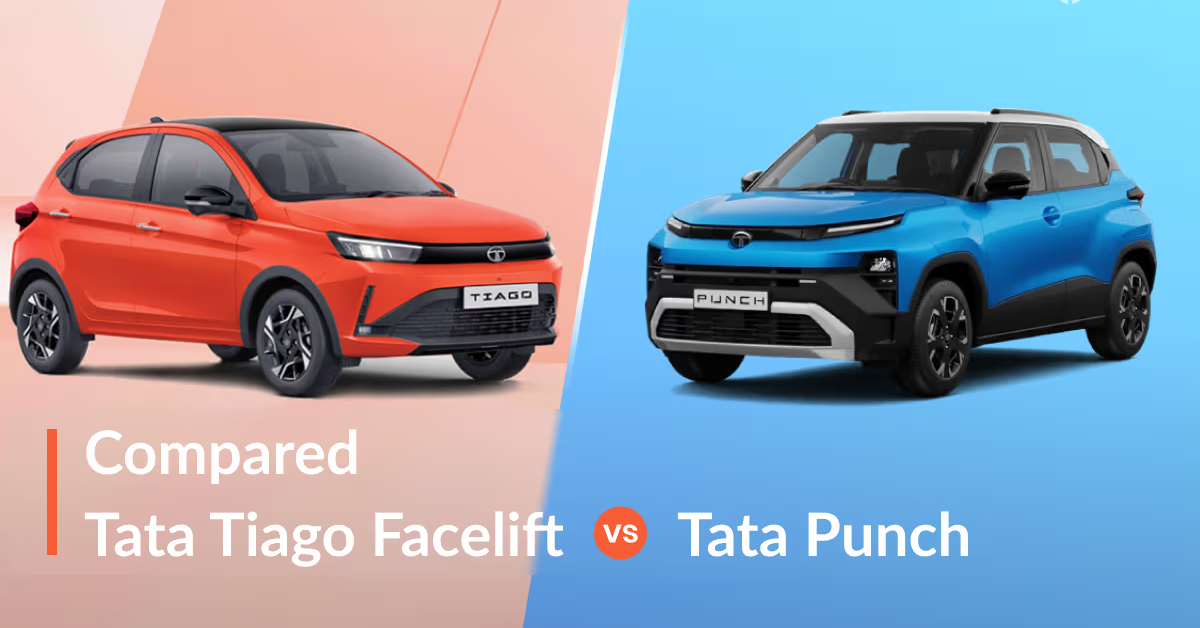
- Tata Motors – Safe and modern vehicles
These brands offer affordable models that align perfectly with the needs of first-time buyers.
🚀 Popular Car Segments Driving Growth
Certain segments are benefiting more than others due to GST changes.
High-Growth Segments:
- Entry-level hatchbacks
- Compact SUVs
- CNG vehicles
These segments offer a balance of affordability, fuel efficiency, and practicality.
⛽ Fuel Efficiency & Low Running Costs
First-time buyers are highly sensitive to running costs, making fuel efficiency a key factor.
Key Considerations:
- High mileage vehicles
- Availability of CNG options
- Lower maintenance costs
Brands that offer economical vehicles are gaining a competitive edge.
💳 Easy Financing & Loan Accessibility
Another major reason behind the rise in first-time buyers is easier access to financing.
Benefits:
- Low down payment options
- Competitive interest rates
- Flexible EMI plans
Banks and NBFCs are actively promoting auto loans, making it easier for buyers to own a car.
🌍 Changing Consumer Mindset
The mindset of Indian consumers is also evolving.
Key Trends:
- Preference for personal mobility over public transport
- Increased focus on safety and comfort
- Growing aspiration for car ownership
This shift is further accelerating demand in the automobile sector.
🔋 Impact on EV & Hybrid Segments
GST 2.0 is also indirectly supporting the growth of electric and hybrid vehicles.
Why:
- Lower GST rates on EVs
- Government incentives
- Rising fuel costs
This is encouraging new buyers to consider eco-friendly alternatives.
🆚 Competition Among Automakers
With rising demand, competition among automakers is intensifying.
What Companies Are Doing:
- Launching affordable models
- Offering discounts and schemes
- Improving features and safety
This benefits consumers with better choices and pricing.
📊 Market Impact & Future Outlook
The increase in first-time buyers is expected to have a long-term impact on the industry.
Key Outcomes:
- Higher overall car sales
- Growth in entry-level segments
- Expansion of dealership networks
- Increased focus on customer experience
The Indian automobile market is likely to see sustained growth in the coming years.
👥 Who Are These First-Time Buyers?
The new wave of buyers includes:
✅ Young Professionals
Buying their first car for convenience
✅ Middle-Class Families
Upgrading from two-wheelers
✅ Rural Buyers
Increasing demand from smaller towns
✅ Women Buyers
Growing participation in car ownership
🔥 What Makes This Trend Important?
This shift toward first-time buyers is a positive sign for the economy.
Key Highlights:
✔ Increased consumer confidence
✔ Growth in manufacturing sector
✔ Job creation in auto industry
✔ Boost to overall economic activity
🏁 Final Verdict
The GST 2.0 revision has proven to be a game-changer for the Indian automobile market. By making cars more affordable, it has opened the doors for millions of first-time buyers.
What Works:
✔ Lower prices
✔ Increased accessibility
✔ Strong demand across segments
Challenges:
✖ Rising competition
✖ Supply chain pressures
✖ Need for better infrastructure
🔥 Conclusion
With leading automakers like Maruti Suzuki, Hyundai Motor Company, and Tata Motors witnessing a surge in first-time buyers, the impact of GST 2.0 is clearly visible.
This trend is not just about increased sales—it represents a new era of car ownership in India, where affordability, accessibility, and aspiration come together to drive growth.
If this momentum continues, the Indian auto industry is set for a strong and sustainable future. 🚀








Leave a Reply