
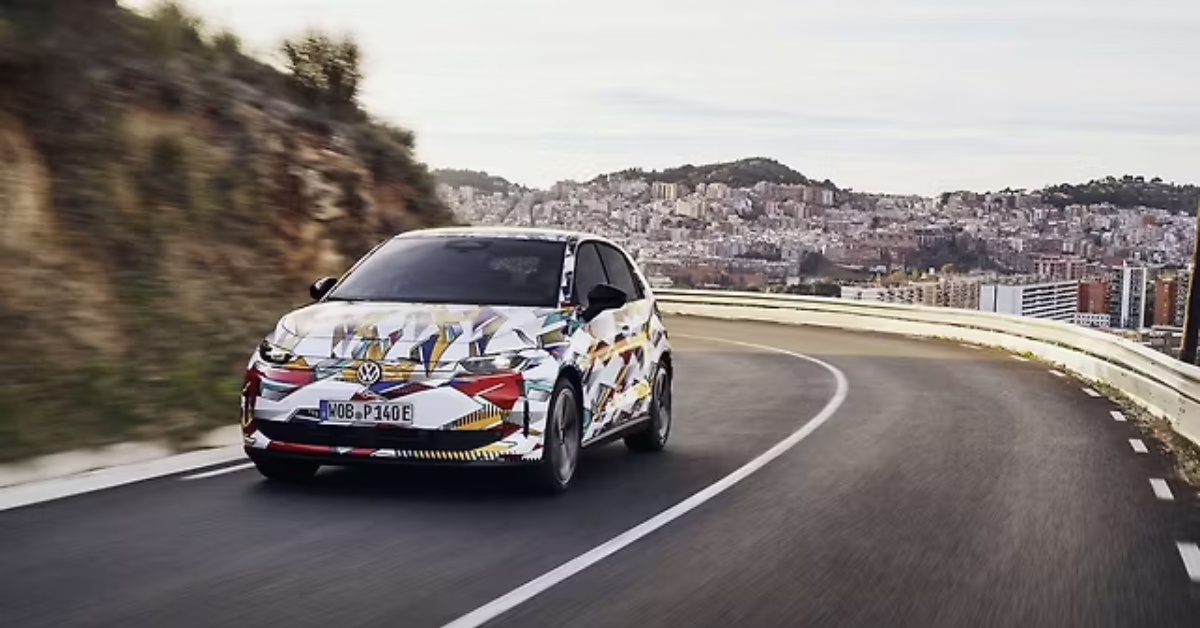
Volkswagen is gearing up for a major shift in its India strategy as the German automaker explores local assembly of battery electric vehicles (BEVs) for the Indian market. With electric vehicle adoption accelerating across the country, this move could significantly lower prices, increase competitiveness, and make premium electric cars in India more accessible to buyers.
As India pushes towards cleaner mobility and stricter emission norms, global carmakers like Volkswagen are rethinking their long-term approach. Local assembly of EVs could be a game-changing decision—not just for Volkswagen, but for the entire Indian EV ecosystem.
Why Volkswagen Is Considering Local Assembly In India
India is emerging as one of the fastest-growing EV markets globally. While EV penetration is still developing, rising fuel prices, government incentives, and improved charging infrastructure are driving demand.
Currently, fully imported electric vehicles attract high import duties, making premium EVs expensive. By opting for CKD (Completely Knocked Down) or SKD (Semi Knocked Down) assembly, Volkswagen can:
- Reduce overall EV costs
- Improve pricing competitiveness
- Increase localisation over time
- Respond faster to market demand
Local assembly aligns perfectly with the company’s long-term vision of sustainable growth in India.
Potential Volkswagen Electric Cars For India
Volkswagen’s global EV lineup includes several popular models built on its MEB electric platform, which is already proven in international markets. Some models that could be considered for India-spec local assembly include:
- Compact electric SUVs
- Mid-size premium electric SUVs
- Electric crossovers tailored for urban use
These vehicles are expected to focus on long range, fast charging capability, advanced safety features, and premium interiors, catering to India’s growing aspirational EV buyers.
Impact On Electric Car Prices In India
One of the biggest benefits of local assembly is price reduction. Imported EVs often cost significantly more due to customs duties and logistics expenses.
With local assembly, Volkswagen could achieve:
- Competitive pricing against rivals
- Better value-for-money premium EVs
- Wider customer reach in metro and Tier-2 cities
This could place Volkswagen directly against popular electric SUVs from both Indian and global manufacturers.
Boost To India’s EV Manufacturing Ecosystem
Volkswagen’s move could provide a strong boost to India’s EV manufacturing ecosystem. Local assembly often leads to gradual localisation of components such as:
- Battery packs
- Electric motors
- Power electronics
- Interior components
This would generate employment, encourage supplier development, and strengthen India’s position as a global EV manufacturing hub.
Advanced Technology And Safety Features Expected
Volkswagen is known for its German engineering and high safety standards. India-spec electric vehicles are expected to come equipped with:
- ADAS (Advanced Driver Assistance Systems)
- Multiple airbags and advanced braking systems
- Digital instrument clusters
- Connected car technology
- Over-the-air software updates
Such features could redefine expectations in the premium electric car segment in India.
How This Affects Competition In The Indian EV Market
Volkswagen’s entry into locally assembled EVs will intensify competition in India’s fast-evolving EV landscape. It will challenge existing players on:
- Driving dynamics
- Build quality
- Safety standards
- Brand value
This competition will ultimately benefit consumers by pushing manufacturers to offer better range, more features, and competitive pricing.
Government Policies Supporting Local EV Assembly
India’s EV-friendly policies play a key role in encouraging manufacturers to invest locally. Benefits include:
- Reduced GST on electric vehicles
- Production-linked incentive (PLI) schemes
- Support for charging infrastructure development
Volkswagen’s local assembly plan aligns well with these initiatives, making India an attractive long-term EV market.
Challenges Volkswagen May Face
Despite the opportunities, Volkswagen may face certain challenges:
- High initial investment
- Price-sensitive Indian consumers
- Rapidly evolving EV technology
- Infrastructure limitations in smaller cities
However, with strategic planning and phased localisation, these challenges can be effectively managed.
What This Means For Indian EV Buyers
For Indian customers, Volkswagen’s local EV assembly could mean:
- Lower ownership costs
- Access to premium global EV technology
- Better after-sales support
- Improved resale value
This move could accelerate the shift towards electric mobility, especially among buyers looking for premium yet practical electric cars.
Future Outlook: Volkswagen’s EV Roadmap In India
Volkswagen’s consideration of local EV assembly signals strong long-term commitment to India. If executed successfully, the brand could expand its electric lineup, increase localisation, and even use India as an export hub for select EV models.
With rising demand for sustainable mobility, Volkswagen’s strategy may place it among the key players shaping the future of electric cars in India.
Conclusion
Volkswagen eyeing local assembly for India-spec electric vehicles is a significant development for the Indian auto industry. It promises affordable premium EVs, advanced technology, and stronger competition, all of which are essential for accelerating EV adoption in India.
As the electric revolution gains momentum, Volkswagen’s move could mark the beginning of a new era for premium electric mobility in the country.

Leave a Reply