
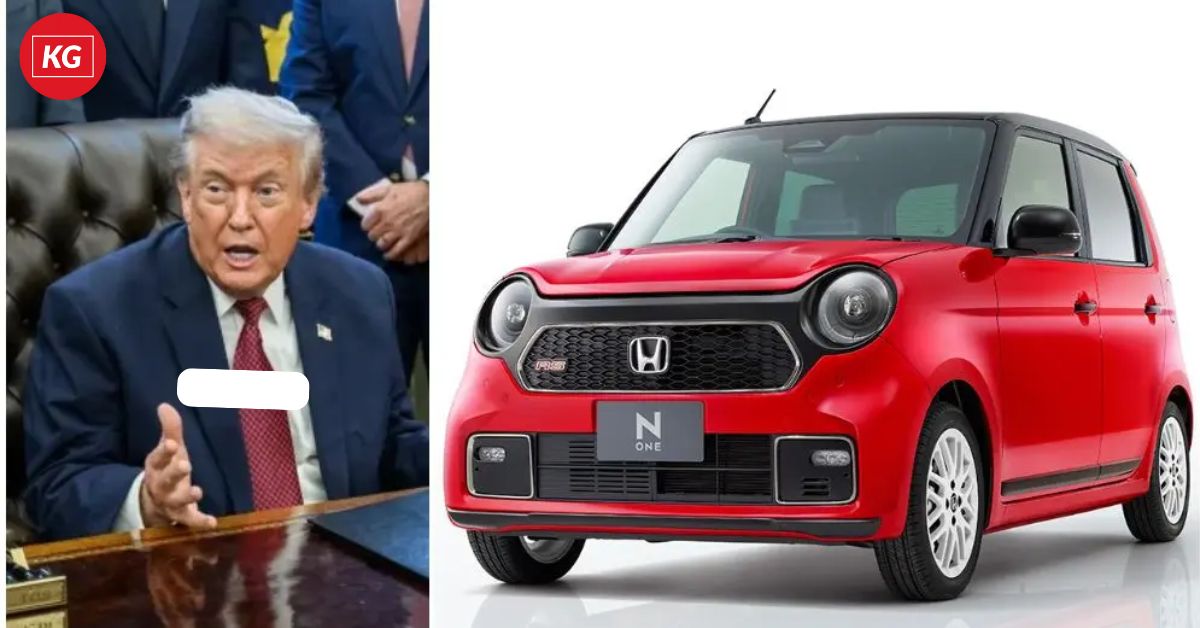
The American automotive industry has always been defined by big, bold vehicles—pickup trucks, SUVs, and muscle cars. But in December 2025, President Donald Trump surprised many by announcing his approval for the domestic production of tiny cars, a category of compact vehicles popular in countries like Japan. This move signals a potential shift in U.S. automotive priorities, blending affordability, efficiency, and safety with Trump’s vision of revitalizing American manufacturing.
What Are “Tiny Cars”?
Trump’s announcement referred to small, micro-sized vehicles similar to Japan’s Kei cars. These cars are designed to be:
- Inexpensive: Affordable for middle-class families and young buyers.
- Fuel-efficient: Offering better mileage compared to larger SUVs and trucks.
- Safe: Built with modern safety standards despite their compact size.
- Flexible in powertrains: Available in gasoline, electric, or hybrid versions.
By highlighting these attributes, Trump positioned tiny cars as a practical solution for everyday commuting and urban mobility.
Why Now?
The timing of Trump’s push for tiny cars is significant. The U.S. market has traditionally favored larger vehicles, but rising fuel costs, urban congestion, and environmental concerns are reshaping consumer preferences. Trump’s approval aims to:
- Boost domestic manufacturing by encouraging U.S. carmakers to produce small cars locally.
- Reduce reliance on imports, especially from Asian markets where compact cars dominate.
- Offer affordable mobility to younger Americans and families struggling with high vehicle prices.
This initiative also aligns with Trump’s broader economic agenda of “Made in America” manufacturing.
Industry Reaction
While Trump’s announcement has generated buzz, industry analysts remain cautious. According to reports, U.S. automakers have historically struggled to sell small cars due to low consumer demand. American buyers often prioritize size, power, and safety perception, making compact cars a tough sell.
Executives from Detroit’s “Big Three” automakers—Ford, GM, and Stellantis—reportedly listened to Trump’s proposal but expressed skepticism about its viability. Analysts argue that while tiny cars succeed in Japan due to cultural and regulatory factors, replicating that success in the U.S. may be challenging.
Potential Benefits
If implemented successfully, tiny cars could bring several advantages:
- Lower entry costs for buyers, making car ownership more accessible.
- Reduced emissions from smaller, more efficient engines or electric drivetrains.
- Urban mobility solutions, especially in crowded cities where parking and traffic are major issues.
- Job creation through new manufacturing lines in the U.S.
These benefits align with Trump’s emphasis on affordability and efficiency.
Challenges Ahead
Despite the optimism, several hurdles remain:
- Consumer mindset: Americans may resist downsizing from SUVs and trucks.
- Safety perceptions: Smaller cars often face skepticism about crash safety compared to larger vehicles.
- Profitability: Automakers may struggle to make tiny cars financially viable in a market dominated by higher-margin SUVs.
- Regulatory adjustments: U.S. safety and emissions standards may need to adapt to accommodate microcars.
Final Thoughts
President Trump’s push for tiny car production in America is both ambitious and unconventional. By approving these vehicles, he aims to reshape the automotive landscape with a focus on affordability, efficiency, and domestic manufacturing. While industry experts remain divided on whether tiny cars can succeed in the U.S., the announcement underscores Trump’s willingness to challenge traditional norms in pursuit of economic growth.
If manufacturers embrace the idea, the tiny car revolution could mark a new chapter in American mobility—one where practicality and sustainability take center stage.

Leave a Reply