
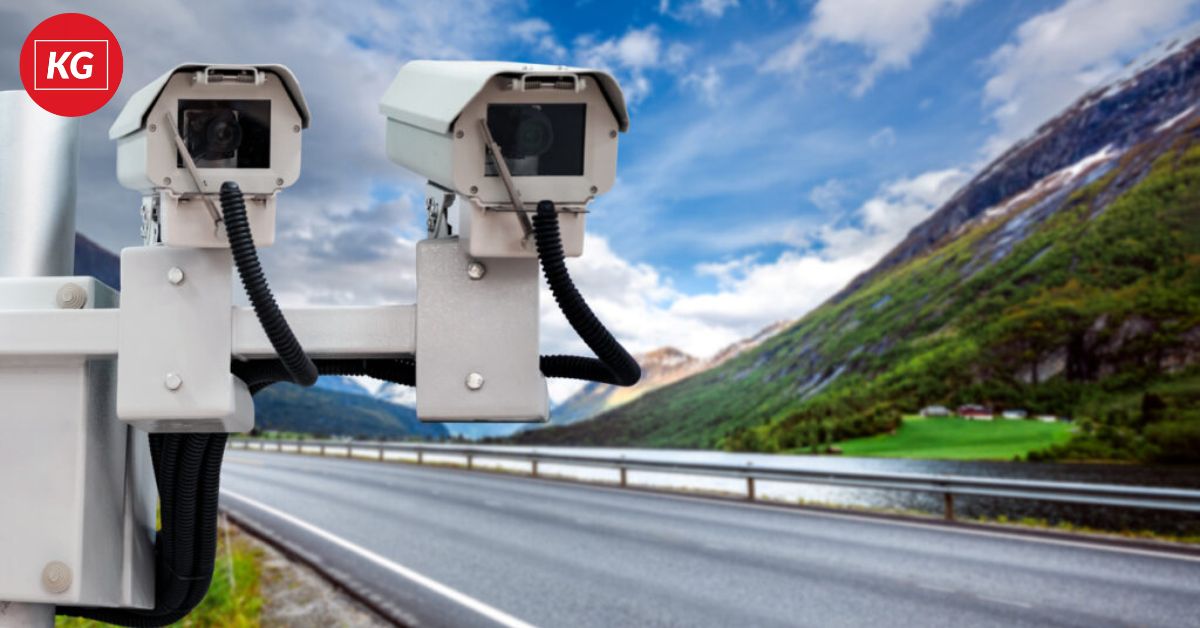
Automated speed cameras have become a defining feature of modern traffic enforcement. Mounted on poles, bridges, or even hidden within vehicles, these devices capture images of speeding cars and automatically issue fines. While their purpose is straightforward—to reduce speeding and improve road safety—the debate surrounding them is anything but simple.
The Rise of Automated Enforcement
Over the past decade, many cities have embraced automated traffic enforcement. With police departments facing reduced resources and fewer traffic stops, cameras provide a consistent, impartial way to monitor roads. In places like Los Angeles, Pittsburgh, and Seattle, traffic stops have dropped by more than 50% since 2019, making cameras an increasingly important toolTraffic Technology Today.
Benefits of Speed Cameras
Supporters argue that speed cameras deliver tangible benefits:
- Improved road safety: Studies show reductions in accidents and fatalities where cameras are installed.
- Consistency: Cameras enforce laws 24/7, unaffected by human bias or fatigue.
- Deterrence: Drivers aware of cameras are more likely to slow down, especially in school zones.
- Cost efficiency: Automated systems reduce the need for constant police presence.
The Controversies
Despite their benefits, speed cameras remain deeply controversial.
- Revenue generation concerns: Critics argue that cities use cameras more for profit than safety, with fines becoming a steady revenue stream.
- Public resentment: In Toronto, one camera was dubbed “the most hated” because of the sheer number of tickets it issued.
- Privacy issues: Cameras constantly monitor public roads, raising questions about surveillance.
- Fairness: Some claim cameras disproportionately affect lower-income drivers who struggle to pay fines.
Global Perspectives
Different countries approach speed cameras in unique ways:
| Country | Approach | Public Sentiment |
|---|---|---|
| UK | Widely used, integrated into Vision Zero safety goals | Generally accepted, seen as safety tools |
| US | Patchwork laws; banned in some states | Divisive, with strong opposition in certain regions |
| Australia | Heavy reliance in urban areas | Mixed; accepted in school zones but criticized elsewhere |
| Germany | Strict enforcement with mobile cameras | Broadly accepted due to strong safety culture |
Technology and the Future
Advances in AI and sensor technology are making speed cameras smarter. Future systems may:
- Integrate with connected cars to provide real-time warnings.
- Adjust fines dynamically based on severity of violation.
- Combine with red-light cameras for broader enforcement.
- Support Vision Zero initiatives aimed at eliminating traffic fatalities.
Risks and Challenges
While promising, automated enforcement faces hurdles:
- Public trust: Without transparency, cameras risk being seen as “cash cows.”
- Legal battles: In the US, lawsuits have challenged their constitutionality.
- Equity concerns: Policymakers must ensure fines don’t disproportionately burden vulnerable communities.
Conclusion
Automated speed cameras embody the tension between technology-driven safety and public skepticism. They undeniably save lives by reducing speeding, yet they also spark debates about fairness, privacy, and profit motives. For cities aiming to achieve Vision Zero, cameras may be indispensable—but only if implemented with transparency, equity, and a clear focus on safety.




Leave a Reply