
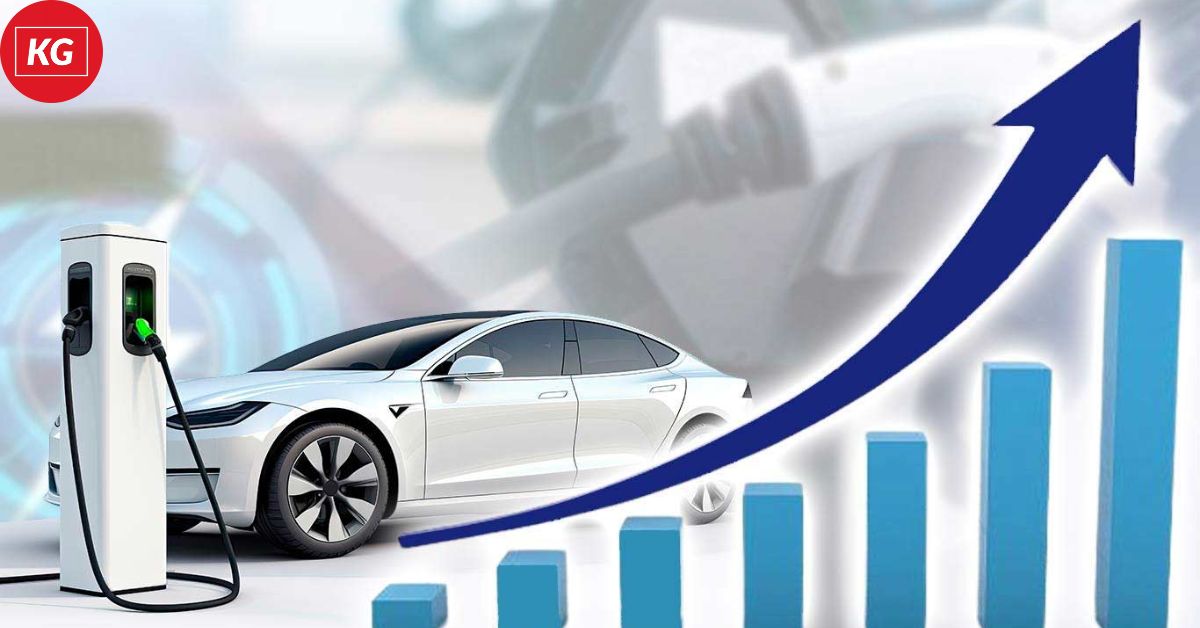
India’s electric vehicle (EV) market reached a historic milestone in 2025, with passenger EV sales soaring by 77 percent year-on-year to cross 176,500 units. This remarkable growth underscores the country’s accelerating transition toward sustainable mobility, driven by new product launches, consumer demand for SUVs and MPVs, and intensifying competition among automakers.
Record-Breaking Numbers
According to Vahan data, 2025 was the best-ever year for EV sales in India:
- Total EV sales: 176,538 units, up from 99,693 units in 2024.
- Monthly momentum: 11 months crossed the 11,000-unit mark.
- Peak month: October 2025 saw a record 19,161 units sold.
- SUVs and MPVs: Mass-market utility vehicles accounted for the bulk of demand.
This surge highlights how EVs are no longer niche products but mainstream choices for Indian buyers.
Market Leaders and Shifting Shares
While Tata Motors retained its crown as India’s largest EV maker, competition intensified:
- Tata Motors: 69,955 units sold (+13% YoY), but market share fell to 40% from 62% in 2024.
- MG Motor and Mahindra: Gained significant ground with new launches.
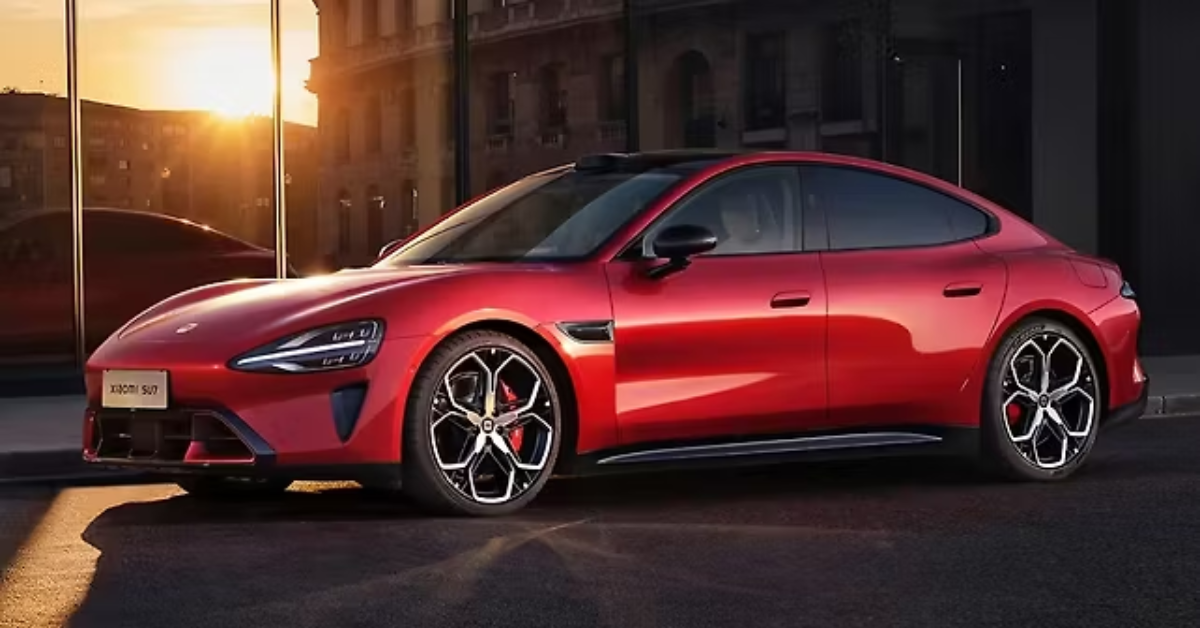
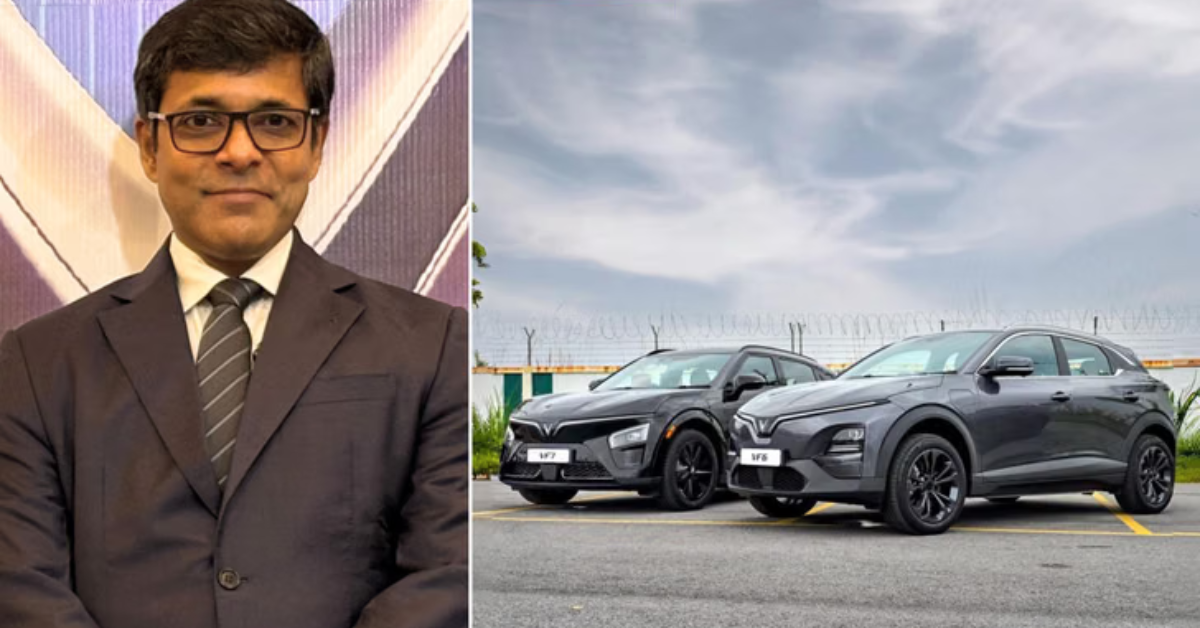
- VinFast and Tesla: Entered India’s EV market, adding fresh competition.
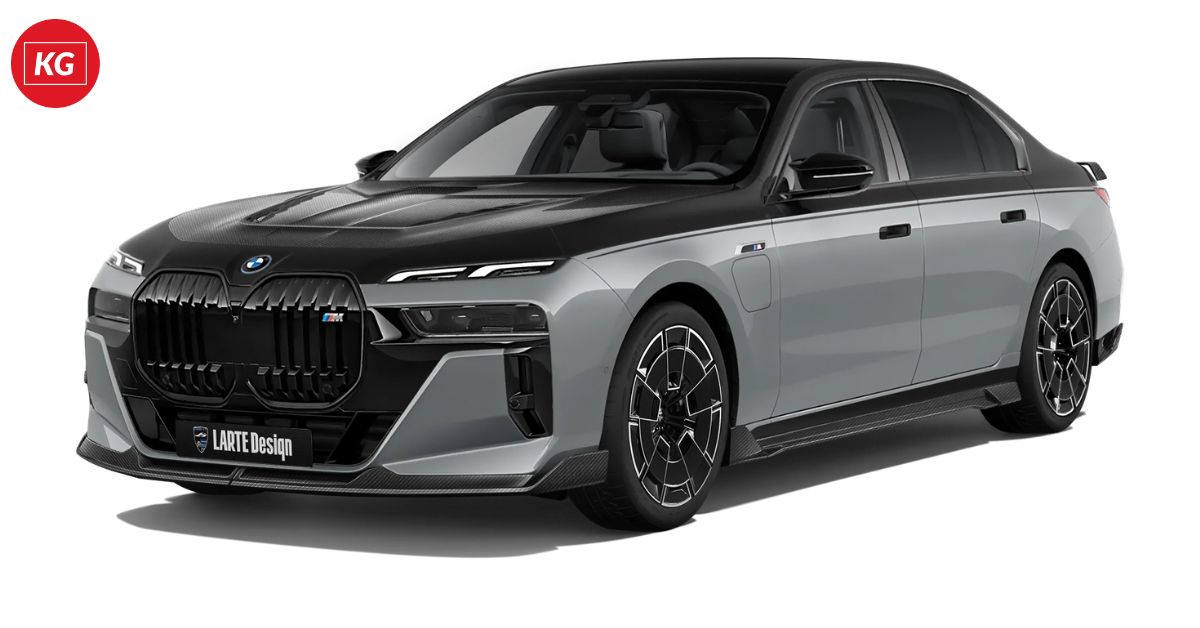
- Luxury EVs: BMW led premium sales, though volumes remained smaller compared to mass-market players.
This shift shows how India’s EV market is diversifying, with more brands vying for consumer attention.
Factors Driving Growth
Several key factors contributed to the 77% jump:
- New launches: Over 40% of new models introduced in 2025 were EVs.
- Government support: Incentives under FAME-II and state-level subsidies boosted affordability.
- Consumer preference: Rising fuel costs and environmental awareness pushed buyers toward EVs.
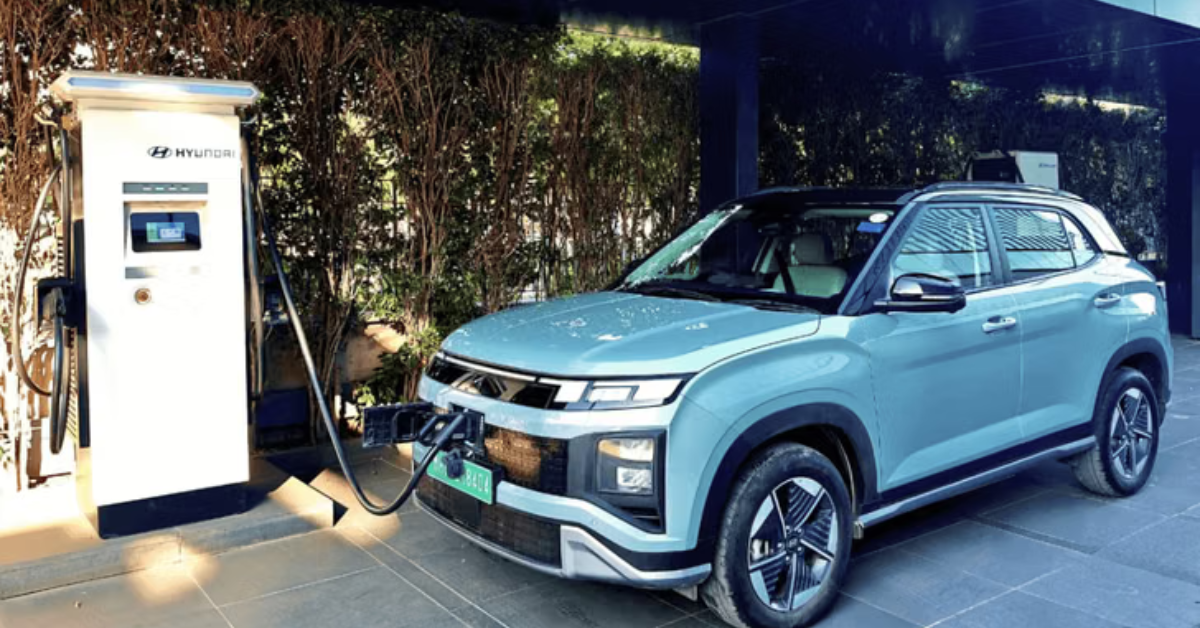
- Infrastructure expansion: Growth in charging networks improved confidence in EV adoption.
Risks and Challenges
Despite the strong growth, challenges remain:
- GST cuts on ICE vehicles: Toward the end of 2025, demand softened slightly as tax reductions made petrol and diesel cars more attractive.
- Charging infrastructure gaps: Rural and semi-urban areas still lack adequate charging facilities.
- Battery costs: While falling, they remain a barrier to mass affordability.
- Resale value concerns: EVs still face skepticism about long-term value retention.
Comparison With Rivals
| Automaker | 2025 EV Sales | Market Share | Key Strengths | Key Weaknesses |
|---|---|---|---|---|
| Tata Motors | 69,955 | 40% | Strong portfolio (Nexon EV, Tiago EV, Punch EV) | Declining share due to competition |
| MG Motor | Rising | ~15% | Affordable SUVs, strong brand | Limited dealer network |
| Mahindra | Rising | ~12% | New launches like XUV400 EV | Late entry compared to Tata |
| VinFast | New entrant | Small | Aggressive pricing | Brand awareness |
| Tesla | New entrant | Small | Global prestige, advanced tech | High pricing |
This table highlights how Tata remains dominant but faces stiff competition from both domestic and international rivals.
Why 2025 Was a Turning Point
The 77% surge in EV sales marks a turning point for India’s automotive industry. EVs are no longer experimental; they are becoming mainstream, with SUVs and MPVs leading the charge. The entry of global players like Tesla and VinFast signals India’s growing importance in the global EV landscape.
Conclusion
India’s EV market in 2025 was defined by record-breaking growth, intensified competition, and shifting consumer preferences. With sales jumping 77% to over 176,500 units, the year cemented EVs as a central pillar of India’s mobility future.
As infrastructure expands and costs fall, 2026 could see even greater adoption. For now, 2025 will be remembered as the year India’s EV revolution truly accelerated.


Leave a Reply