
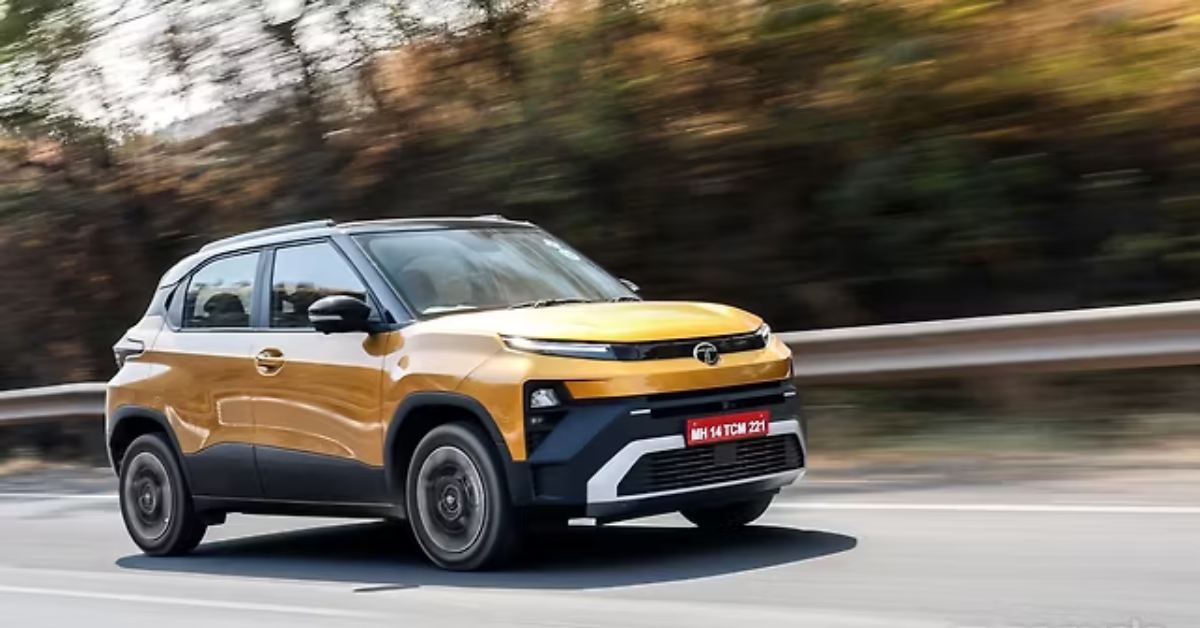
The Indian automotive market is undergoing a major transformation. For decades, small cars dominated the roads due to their affordability, fuel efficiency, and practicality. However, the rise of entry-level SUVs is now reshaping buyer preferences and challenging the dominance of hatchbacks.
With compact SUVs offering premium features, bold design, and enhanced road presence at competitive pricing, the small car segment is facing increasing pressure. This shift is not just a trend—it’s a structural change in how Indian consumers approach car buying decisions.
Why Small Cars Dominated the Indian Market
Small cars have traditionally been the backbone of the Indian automobile industry. Their popularity was driven by several key factors:
- Affordable pricing for first-time buyers
- High fuel efficiency for daily commuting
- Easy maneuverability in congested urban areas
- Lower maintenance costs
These benefits made hatchbacks the go-to choice for middle-class families and young professionals. However, evolving consumer expectations are now challenging this long-standing dominance.
The Rise of Entry-Level SUVs in India
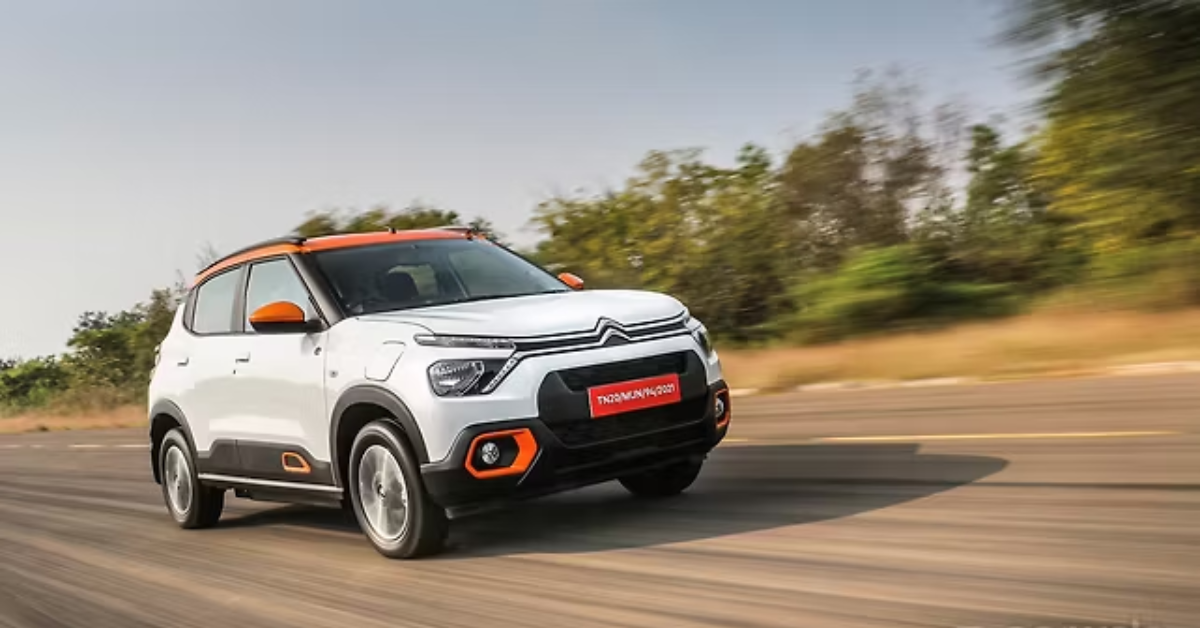
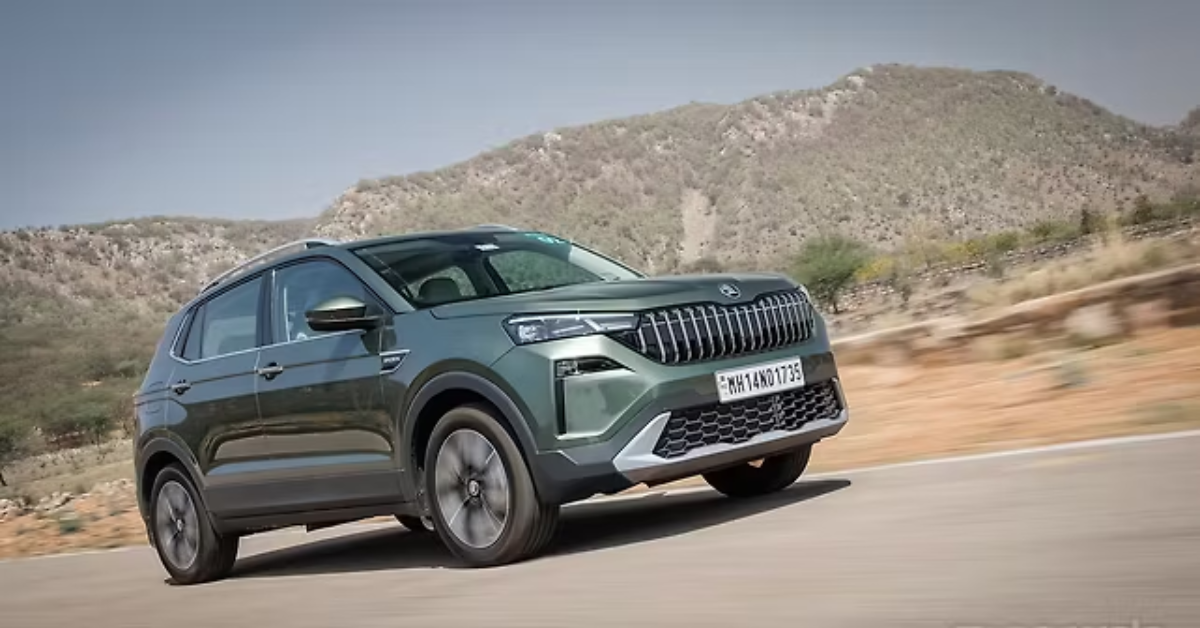
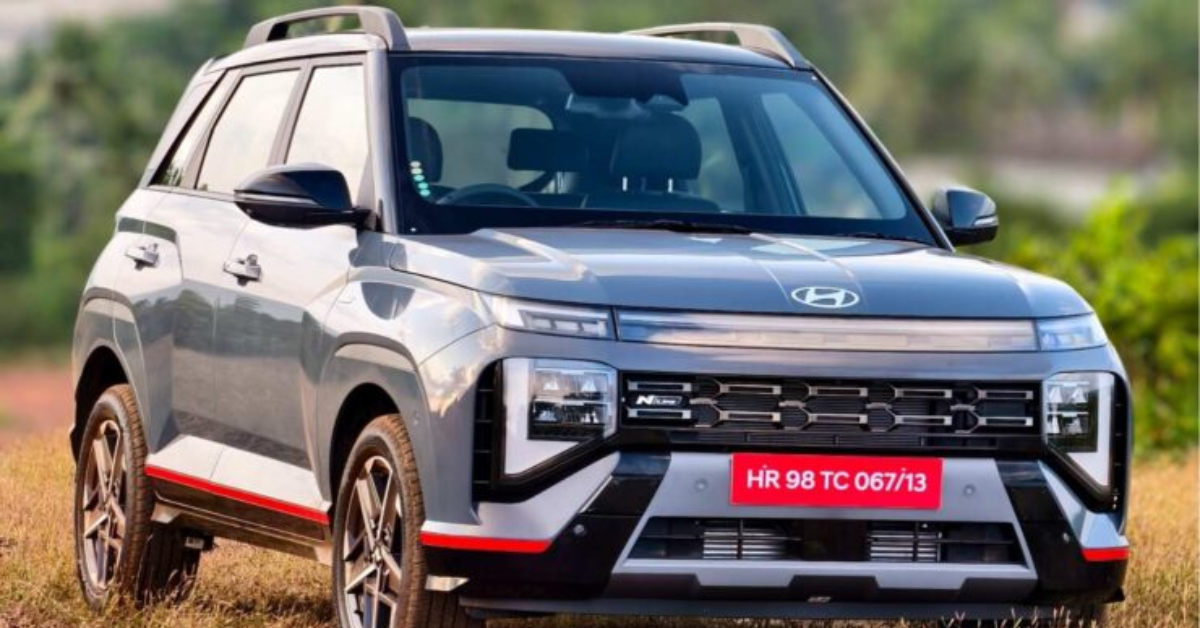
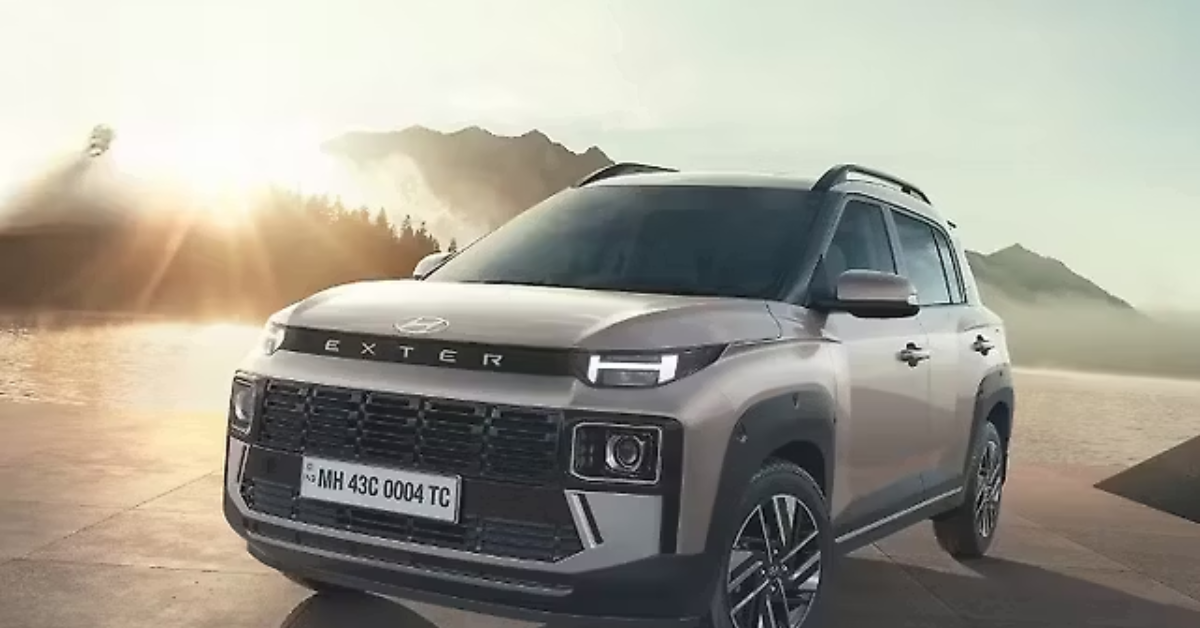
Entry-level SUVs, also known as compact SUVs, have rapidly gained popularity in recent years. These vehicles offer a perfect blend of style, practicality, and advanced features, making them highly appealing to modern buyers.
Key reasons behind their growth include:
- Aggressive and muscular design
- Higher ground clearance for Indian roads
- Spacious interiors and better visibility
- Advanced infotainment and connectivity features
- Improved safety technologies
As a result, many buyers who would have previously chosen a hatchback are now considering entry-level SUVs instead.
Changing Consumer Preferences and Buying Behavior
Today’s car buyers are more informed and aspirational. The decision is no longer based solely on price and mileage. Instead, factors like design, brand value, and features play a crucial role.
Modern consumers prefer:
- Vehicles with strong road presence
- Premium interiors and digital features
- Enhanced safety and driving comfort
- Versatility for both city and highway use
Entry-level SUVs tick all these boxes, making them a preferred choice in the current market scenario.
Feature-Packed Offerings Driving the Shift
One of the biggest advantages of compact SUVs is the availability of premium features at a relatively affordable price point. Features that were once limited to high-end cars are now being offered in entry-level SUVs.
These include:
- Touchscreen infotainment systems
- Wireless connectivity (Apple CarPlay and Android Auto)
- Push-button start and keyless entry
- Cruise control
- Advanced Driver Assistance Systems (ADAS) in some models
This feature-rich experience makes SUVs more attractive compared to basic small cars, which often lack these premium offerings.
Pricing Strategy: Narrowing the Gap
Earlier, SUVs were significantly more expensive than small cars. However, the pricing gap has narrowed considerably.
Entry-level SUVs are now available at price points that are only slightly higher than premium hatchbacks. This makes them a value-for-money option for buyers willing to stretch their budget slightly for added benefits.
For many consumers, spending a little extra for better design, features, and road presence feels like a smarter long-term investment.
Impact on Small Car Segment Sales
The growing popularity of entry-level SUVs is directly impacting small car sales. Many automakers are witnessing a decline in hatchback demand, especially in urban markets.
Challenges faced by small cars include:
- Perception of being “basic” or outdated
- Limited feature offerings
- Lower road presence compared to SUVs
- Reduced aspirational value
As a result, manufacturers are being forced to rethink their strategies to keep the small car segment relevant.
Fuel Efficiency vs Performance Debate
Fuel efficiency has always been a strong advantage of small cars. However, modern entry-level SUVs are closing this gap with improved engine technology.
Buyers are now willing to compromise slightly on mileage for:
- Better performance
- Enhanced comfort
- Superior driving position
This shift indicates that fuel efficiency is no longer the sole deciding factor in the car-buying process.
Urban Mobility and Practicality
While SUVs offer multiple advantages, small cars still have their own strengths in urban environments.
Hatchbacks are:
- Easier to park in tight spaces
- More convenient for daily city driving
- Generally more economical to maintain
However, compact SUVs are increasingly becoming city-friendly with improved dimensions and maneuverability, reducing this traditional advantage of small cars.
How Automakers Are Responding
Automobile manufacturers are quickly adapting to this changing landscape. Many brands are:
- Expanding their SUV portfolios
- Introducing new entry-level SUV models
- Upgrading hatchbacks with premium features
- Offering competitive financing options
Some companies are even focusing more on SUVs than small cars, indicating a long-term strategic shift in the industry.
Future of the Indian Automotive Market
The rise of entry-level SUVs is expected to continue in the coming years. With increasing demand for premium features, safety, and design, SUVs are likely to dominate the market.
However, small cars will not disappear completely. They will continue to serve:
- Budget-conscious buyers
- First-time car owners
- Customers prioritizing fuel efficiency
The market will evolve into a more diversified ecosystem where both segments coexist, but with SUVs taking the lead.
What This Means for Car Buyers
For buyers, this shift brings more choices and better value. Whether choosing a small car or an entry-level SUV, consumers now have access to:
- Advanced technology
- Improved safety features
- Competitive pricing
- Flexible financing options
The decision ultimately depends on individual preferences, budget, and usage requirements.
Conclusion
The entry-level SUV segment is redefining the dynamics of the Indian automotive market. With their bold design, advanced features, and growing affordability, compact SUVs are attracting a new generation of buyers.
While small cars still hold relevance, they are facing increasing pressure to evolve and stay competitive. The future belongs to vehicles that offer the perfect balance of affordability, performance, and premium experience.
As the competition intensifies, one thing is clear—the Indian car market is entering an exciting phase of innovation and transformation, where consumer expectations will continue to drive change.

Leave a Reply