
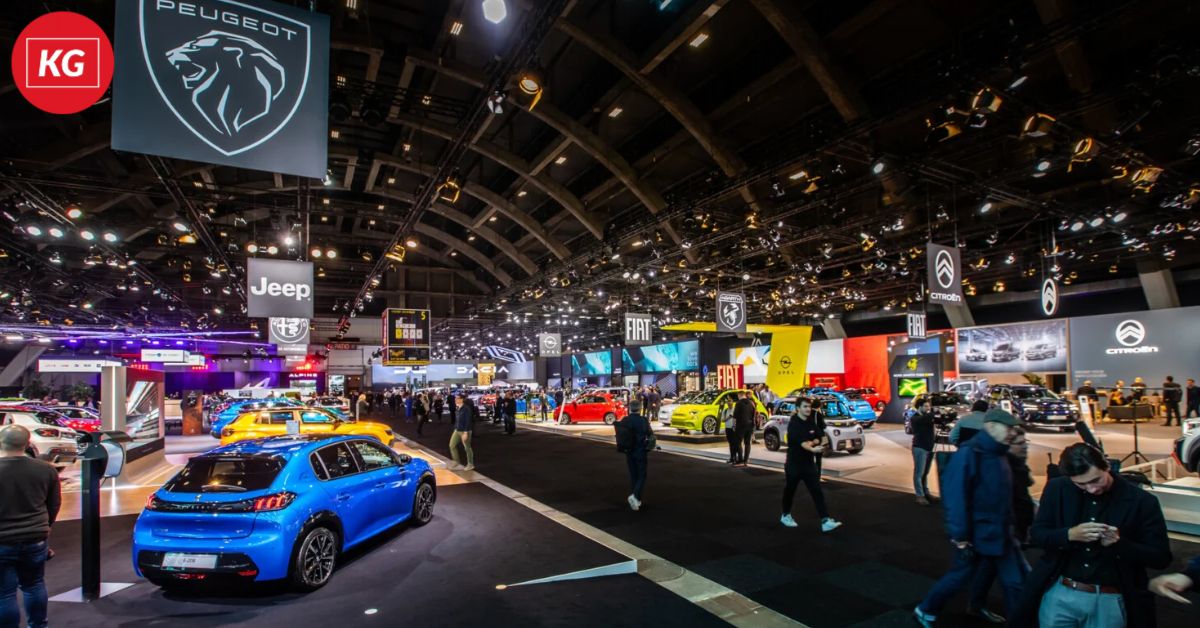
The Brussels Motor Show 2026 marks the 102nd edition of this iconic European automotive event. Once considered a regional exhibition, it has now evolved into a premier international showcase for new car launches, concept vehicles, and cutting-edge mobility solutions. Held at the Brussels Expo from January 9–18, the show sets the tone for the automotive industry in 2026, offering a glimpse into the future of electrification, digital cockpits, and sustainable transport.
Key Highlights
1. Renault Twingo E-Tech Electric Debut
- Price: Starts at €19,490 for the Evolution trim, €21,200 for the Techno variant.
- Platform: Built on Renault’s AmpR Small platform.
- Performance: 60 kW motor, 27.5 kWh LFP battery, WLTP range of 263 km.
- Features: Google-integrated infotainment, adaptive cruise control, one-pedal driving.
- Target Audience: Urban commuters seeking affordable EVs.
This debut positions Renault strongly in the budget EV segment, offering practicality and tech at an accessible price.
2. Kia EV2 and Citroën ELO
- Kia EV2: Compact EV designed for European markets, emphasizing affordability and range.
- Citroën ELO: A futuristic concept blending quirky design with sustainable materials.
Both models highlight how mainstream automakers are expanding their EV portfolios to meet growing demand.
3. Chinese Brands Enter Europe
- Several Chinese automakers showcased EVs and hybrids, signaling increased competition in the European market.
- Their presence underscores Europe’s openness to new players and the global nature of the EV race.
4. Motorcycles and Commercial Vehicles
- Over 20 motorcycle brands exhibited electric and hybrid two-wheelers.
- Light commercial vehicles and fleet solutions were also on display, reflecting the importance of electrification beyond passenger cars.
Visitor Experience
- Scale: Seven exhibition halls, 60,000 m² of space.
- Attendance: Expected to exceed 300,000 visitors.
- Atmosphere: A mix of traditional auto show excitement and futuristic tech demos.
The Brussels Motor Show remains a consumer-friendly event, where visitors can explore vehicles hands-on, unlike tech-focused expos such as CES.
Industry Trends Reflected at Brussels
Electrification
- Nearly every major brand showcased electric or hybrid models, confirming the industry’s commitment to carbon neutrality.
Connectivity
- Digital cockpits, OTA updates, and AI-driven infotainment systems were common themes.
Sustainability
- Automakers highlighted recycled materials, eco-friendly production, and circular economy initiatives.
Comparison: Brussels vs Other Shows
| Feature | Brussels Motor Show 2026 | CES 2026 (Las Vegas) |
|---|---|---|
| Focus | Cars, motorcycles, EVs | Tech, AI, gadgets |
| Audience | Consumers + industry | Tech professionals |
| Scale | 300,000+ visitors | 180,000+ visitors |
| Highlight | Affordable EV launches | AI & autonomous tech |
Brussels remains vehicle-centric, while CES focuses on broader technology.
Challenges Ahead
- Competition: With Geneva Motor Show canceled, Brussels must maintain its relevance.
- Consumer Adoption: Affordable EVs like the Twingo E-Tech are crucial, but charging infrastructure remains a challenge.
- Globalization: European automakers face rising competition from Chinese brands.
Conclusion
The Brussels Motor Show 2026 is more than just a car exhibition—it’s a snapshot of the automotive industry’s transformation. From affordable EVs like the Renault Twingo E-Tech to futuristic concepts like the Citroën ELO, the show highlights how automakers are embracing electrification, connectivity, and sustainability.
For consumers, it offers a chance to experience the cars of tomorrow today. For the industry, it sets the stage for a year where software-defined vehicles, EV affordability, and global competition will dominate headlines.
The Brussels Motor Show proves that Europe remains at the heart of automotive innovation, driving the transition toward a cleaner, smarter, and more connected future.











Leave a Reply