
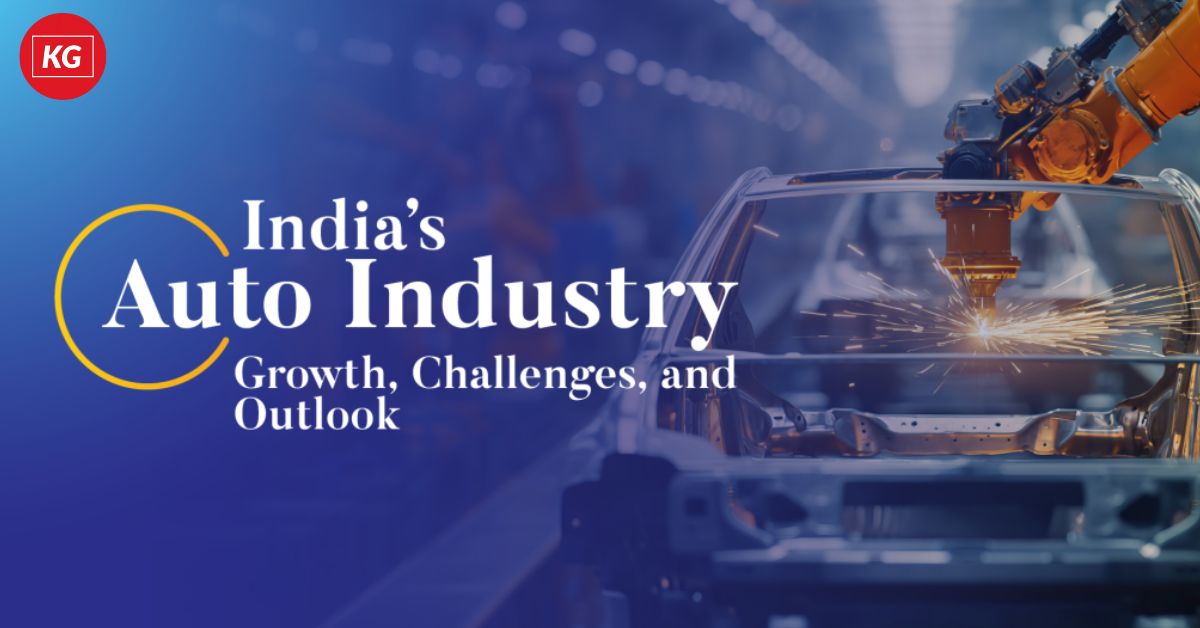
India’s automobile industry has long been a cornerstone of the nation’s economic growth, contributing significantly to GDP, employment, and technological innovation. After a record-breaking 2025, the sector enters 2026 with optimism, expecting 6–8% growth across vehicle segments. This growth is not just cyclical—it reflects deeper structural changes, from evolving consumer preferences to policy-driven support for sustainable mobility.
📈 Growth Drivers in 2026
Several factors underpin the industry’s positive outlook:
- Policy Support: GST rationalisation, easing monetary conditions, and income tax relief are expected to improve affordability and sustain demand.
- Urban Demand: Stronger urban consumption continues to drive passenger vehicle sales, especially SUVs.
- Rural Stability: Stable rural incomes and improved financing availability are supporting two-wheeler and entry-level car demand.
- Technology Adoption: CNG and electric vehicles are gaining traction, signaling a gradual but steady shift in powertrain preferences.
🚙 Key Trends Shaping the Market
By 2026, several trends will redefine India’s auto landscape:
- SUV Dominance: SUVs remain the most popular segment, reflecting aspirational buying and improved affordability.
- Affordable Electrification: EVs are moving from niche to mainstream, with more affordable models entering the market.
- Safety & Sustainability: Consumers are increasingly prioritizing safety features and eco-friendly technologies.
- Entry-Level Mobility Redefined: Compact cars and two-wheelers are evolving with smarter features, catering to cost-conscious buyers.
- Digital Integration: Connected car technologies and AI-driven features are becoming standard expectations.
🌱 The Role of Electrification
Electric vehicles (EVs) are no longer fringe players in India’s auto market. In 2026:
- Mainstream Adoption: EVs are expected to account for a larger share of sales, supported by government incentives and charging infrastructure expansion.
- CNG as a Bridge: Compressed Natural Gas vehicles continue to grow, offering a cleaner alternative to petrol and diesel while EV adoption scales.
- Automaker Strategies: Companies are aligning product portfolios to meet sustainability goals and consumer demand for greener options.
⚖️ Challenges Ahead
Despite the optimism, 2026 is also a preparatory year for tougher regulations and market shifts:
- Compliance Costs: Automakers face rising costs as they prepare for Corporate Average Fuel Economy (CAFE) norms in 2027 and stricter emission standards.
- Margin Pressure: Higher compliance and input costs could squeeze profitability, forcing companies to balance affordability with innovation.
- Consumer Expectations: Buyers are more informed and demanding, requiring automakers to deliver value beyond price—through safety, technology, and sustainability.
- Global Competition: International automakers are intensifying their presence in India, raising the bar for domestic players.
📊 Comparative Snapshot
| Factor | 2025 Performance | 2026 Outlook | Notes |
|---|---|---|---|
| Sales Growth | Record rebound | 6–8% growth | Driven by policy & demand |
| SUV Demand | Strong | Continued rise | Dominant segment |
| EV Adoption | Emerging | Mainstream shift | Affordable EVs gain traction |
| Compliance Costs | Manageable | Rising | Preparing for 2027 norms |
| Consumer Preferences | Price-sensitive | Safety & tech-focused | Buyers more informed |
🏁 Conclusion
India’s automobile industry in 2026 stands at a crossroads—growth is assured, but transformation is inevitable. With SUVs dominating, EVs entering the mainstream, and consumers demanding safer, smarter, and greener vehicles, automakers must adapt quickly. Policy support provides a cushion, but rising compliance costs and evolving expectations will test resilience.
Ultimately, 2026 is not just another growth year—it is a transition year, preparing India’s auto industry for a future defined by sustainability, innovation, and global competitiveness.













Leave a Reply