
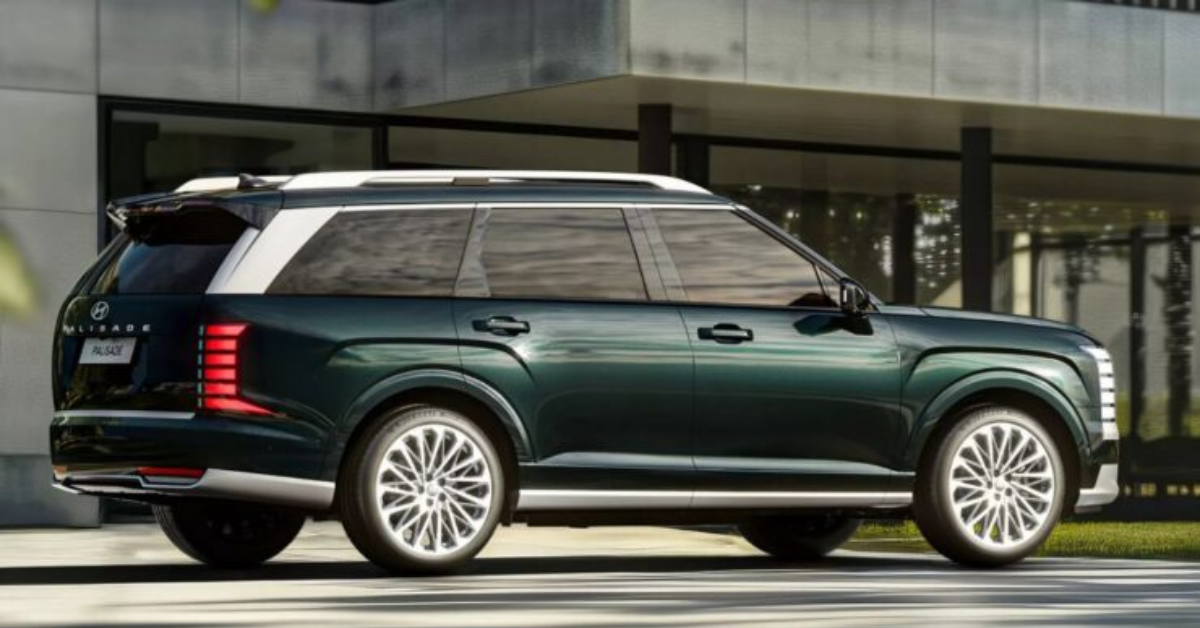
Hyundai is steadily shaping its future mobility strategy, and hybrid technology is emerging as a crucial pillar in the brand’s long-term vision. With changing consumer preferences, rising fuel prices, and tightening emission norms, Hyundai’s hybrid roadmap is now taking clearer form. The company is reportedly preparing three new hybrid SUVs, signaling a strong commitment to electrified yet practical powertrains for markets like India.
Rather than pushing full electrification alone, Hyundai appears to be adopting a balanced approach—using hybrids as a bridge between conventional internal combustion engines and fully electric vehicles. This strategy could prove decisive in the SUV-dominated Indian market.
Why Hybrids Are Central to Hyundai’s Strategy
Hybrid vehicles offer the best of both worlds: improved fuel efficiency and lower emissions without the range anxiety or infrastructure challenges associated with full EVs. For Indian buyers, hybrids provide a familiar driving experience while delivering tangible savings in fuel costs.
Hyundai’s move toward hybrids reflects a growing understanding that mass adoption of EVs will take time. Until charging infrastructure becomes widespread and affordable, hybrids serve as a realistic and scalable solution.
By focusing on SUVs—India’s fastest-growing vehicle category—Hyundai is aligning its hybrid roadmap with market demand.
Three Hybrid SUVs: A Calculated Product Offensive
Hyundai’s plan to introduce three hybrid SUVs is a strategic decision rather than an experimental move. Each of these models is expected to target a different price band and buyer profile, ensuring broader market coverage.
The upcoming hybrid SUVs are likely to combine petrol engines with electric motors and advanced battery systems designed for efficiency rather than pure electric range. This approach prioritizes real-world fuel savings and smooth performance.
Hyundai’s engineering focus appears to be on refinement, seamless power delivery, and long-term reliability—areas where the brand already enjoys strong customer trust.
Expected Powertrain Technology
Hyundai’s hybrid SUVs are expected to use a strong hybrid system, where the vehicle can operate on electric power alone for short distances and seamlessly switch between electric and petrol modes.
The system is likely to include:
- A high-efficiency petrol engine
- An electric motor for low-speed and stop-and-go driving
- A compact battery optimized for urban usage
- Regenerative braking to recharge the battery
This setup significantly improves fuel efficiency in city conditions, where hybrids deliver the maximum benefit.
Focus on Fuel Efficiency and Lower Emissions
One of the key objectives of Hyundai’s hybrid roadmap is to achieve a major leap in fuel efficiency. With SUVs traditionally being heavier and less fuel-efficient, hybrid technology helps offset these drawbacks.
Lower emissions are another major advantage. Hybrids reduce fuel consumption during idle and low-speed driving, which directly cuts tailpipe emissions—an increasingly important factor as emission regulations become stricter.
For environmentally conscious buyers who are not yet ready for EVs, Hyundai’s hybrid SUVs could be the ideal middle ground.
Design and Features: No Compromise on Modern Appeal
Hyundai is known for offering feature-rich vehicles, and the upcoming hybrid SUVs are expected to follow the same philosophy. Buyers should not expect any compromise on design or technology.
Key highlights are likely to include:
- Bold SUV styling with aerodynamic enhancements
- Fully digital instrument clusters with hybrid-specific displays
- Advanced infotainment systems with connected features
- Enhanced safety technology, including driver assistance systems
The hybrid components are expected to be integrated seamlessly, ensuring that cabin space and comfort remain unaffected.
Positioning Against Rivals
Hyundai’s hybrid push places it in direct competition with brands that have already seen success with hybrid technology. However, Hyundai’s strength lies in its ability to localize production, control costs, and offer competitive pricing.
By spreading hybrid technology across multiple SUV segments, Hyundai aims to avoid niche positioning. Instead, it wants hybrids to become a mainstream choice rather than a premium-only offering.
This strategy could significantly disrupt the SUV market, especially if Hyundai manages to price its hybrid models aggressively.
What This Means for Indian Buyers
For Indian consumers, Hyundai’s hybrid roadmap promises greater choice and flexibility. Buyers who want better mileage without changing driving habits stand to benefit the most.
Hybrids also offer smoother driving experiences, especially in traffic-heavy cities, thanks to electric-only operation at low speeds. Reduced fuel consumption translates into lower running costs over time, making hybrids financially attractive despite a higher initial price.
Hyundai’s trusted after-sales network further strengthens confidence among potential buyers considering hybrid technology for the first time.
A Strategic Bridge to Full Electrification
While Hyundai continues to invest in electric vehicles, hybrids act as a crucial transition technology. They help reduce emissions today while preparing customers and infrastructure for a fully electric future.
The learnings from hybrid development—battery management, electric motors, software integration—also feed into Hyundai’s broader EV strategy. This makes hybrids not just a temporary solution but a strategic stepping stone.
Expected Timeline and Market Impact
Although official launch timelines are yet to be announced, the gradual unveiling of Hyundai’s hybrid roadmap suggests that these SUVs could arrive in phases. This staggered approach allows Hyundai to test market response and fine-tune its offerings.
Once launched, these hybrid SUVs could redefine expectations around fuel efficiency in the SUV segment, pushing competitors to accelerate their own electrification plans.
Conclusion
Hyundai’s hybrid roadmap is no longer just a concept—it is actively taking shape with three new SUVs lined up to lead the charge. By focusing on hybrids, Hyundai is addressing real-world challenges such as fuel efficiency, emissions, and infrastructure limitations.
This well-calculated strategy positions Hyundai as a forward-thinking brand that understands the evolving needs of Indian consumers. As these hybrid SUVs make their way to the market, they could play a pivotal role in shaping the next phase of SUV mobility—efficient, refined, and future-ready.











Leave a Reply