
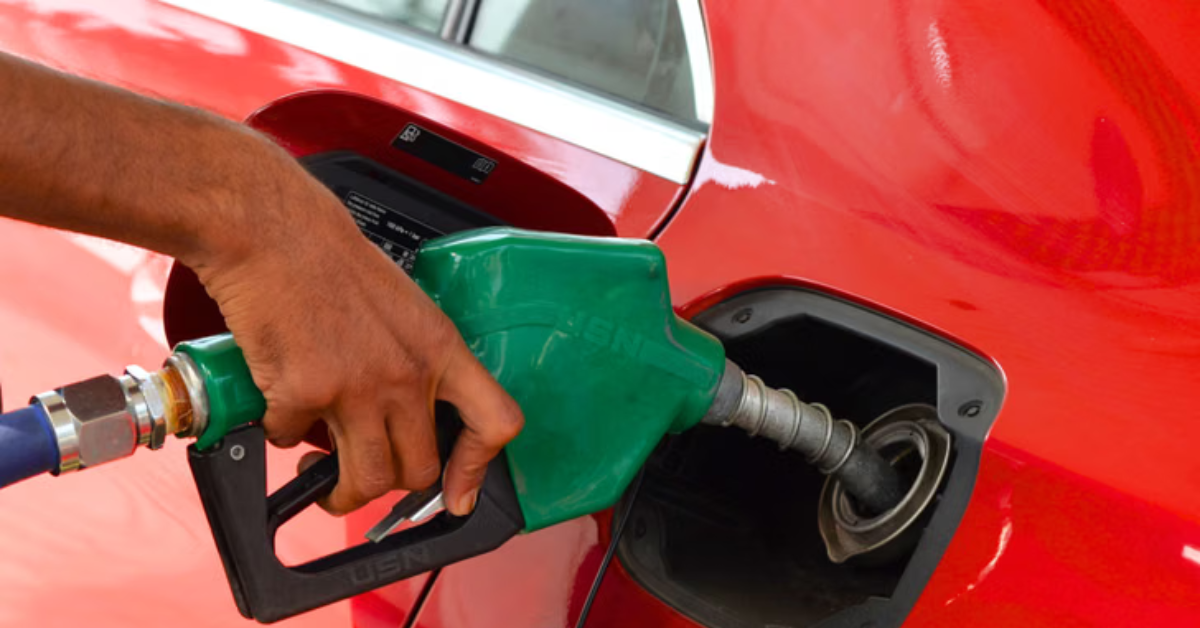
In a major policy shift aimed at improving engine efficiency and reducing emissions, the Government of India has mandated a minimum 95 octane rating for petrol starting April. This move marks a significant upgrade from the current regular fuel standards and aligns India’s fuel quality framework closer to global automotive benchmarks.
The new regulation is expected to influence vehicle performance, fuel economy, emissions compliance, and even the broader automotive industry landscape.
Let’s break down what this decision means for consumers, car manufacturers, and the Indian mobility ecosystem.
What Is Octane Rating and Why It Matters
Octane rating measures a fuel’s ability to resist knocking or pre-ignition during combustion. Knocking occurs when fuel ignites prematurely in the engine cylinder, potentially causing damage and reducing efficiency.
Higher octane fuel:
- Improves combustion stability
- Supports higher compression ratios
- Enhances turbocharged engine performance
- Reduces engine knocking
- Optimizes power delivery
By mandating 95 octane as the baseline, the government is preparing the market for modern engine technologies.
Why the Government Introduced the 95 Octane Mandate
The transition to 95 octane petrol is part of a broader strategy to:
- Improve air quality
- Enhance fuel efficiency
- Reduce engine emissions
- Support next-generation turbocharged engines
- Align with global emission standards
With stricter environmental regulations and increasing adoption of high-compression and turbocharged engines, higher octane fuel ensures better compatibility with modern automotive technologies.
Impact on Turbocharged & High-Performance Cars
Many new-generation petrol vehicles use:
- Turbochargers
- Direct injection systems
- High compression ratios
- Advanced engine management systems
These engines perform optimally with higher octane fuel. The 95 octane mandate will allow automakers to:
- Tune engines more aggressively
- Improve power output
- Enhance fuel efficiency
- Reduce long-term engine wear
For performance-oriented vehicles, this shift is particularly beneficial.
How Will This Affect Existing Vehicles?
A common concern among consumers is whether older vehicles can run on 95 octane fuel.
The answer is yes.
Higher octane fuel does not harm engines designed for lower octane ratings. However, older vehicles may not experience significant performance gains unless they are specifically tuned for higher octane.
In fact, 95 octane petrol may provide:
- Smoother acceleration
- Reduced engine noise
- Improved combustion stability
Potential Fuel Price Implications
One major question is whether 95 octane petrol will increase fuel costs.
Higher octane fuel typically involves:
- Additional refining processes
- Enhanced additive packages
- Quality control upgrades
While pricing adjustments may occur, government policies often balance environmental benefits with economic considerations.
Consumers may see a slight increase in fuel prices, but the long-term benefits in efficiency and engine health could offset the marginal cost difference.
Benefits for Fuel Efficiency
Higher octane fuel allows engines to operate closer to their optimal performance threshold.
This may result in:
- Better fuel economy in modern vehicles
- Improved throttle response
- Reduced carbon deposits
- More consistent engine output
Automakers can also design engines with higher compression ratios, which inherently improve efficiency.
Environmental Impact & Emission Control
The move toward 95 octane petrol aligns with India’s emission reduction goals.
Key environmental benefits include:
- Cleaner combustion
- Reduced particulate emissions
- Lower nitrogen oxide levels
- Enhanced compatibility with emission control systems
This regulation complements Bharat Stage (BS) emission norms and future clean mobility initiatives.
Automotive Industry Readiness
Car manufacturers operating in India are increasingly launching global-spec models equipped with advanced powertrains.
The 95 octane mandate enables automakers to:
- Introduce more powerful petrol engines
- Expand turbocharged engine offerings
- Reduce the need for engine detuning
- Enhance overall vehicle performance
This shift also strengthens India’s position as a global automotive manufacturing hub.
Impact on Luxury & Premium Vehicles
Luxury brands often recommend higher octane fuel for optimal performance.
With 95 octane becoming the minimum standard, premium vehicle owners will:
- Experience improved engine performance
- Avoid paying extra for premium-grade petrol
- Benefit from better combustion efficiency
This could encourage further growth in India’s premium automotive segment.
Broader Economic Implications
The new fuel standard could impact multiple sectors:
- Oil refineries upgrading infrastructure
- Fuel distribution networks adapting supply chains
- Automobile manufacturers revising engine calibrations
- Investors focusing on clean mobility sectors
The policy also aligns with global ESG (Environmental, Social, Governance) goals, which are increasingly influencing capital markets.
Challenges in Implementation
Transitioning nationwide fuel standards involves logistical and operational challenges:
- Refinery upgrades
- Supply chain adjustments
- Retail fuel station compliance
- Quality monitoring systems
However, India has successfully implemented major fuel standard upgrades in the past, suggesting strong regulatory and industry coordination.
Consumer Awareness & Education
For the policy to succeed, consumer education will be essential.
Drivers should understand:
- The benefits of higher octane fuel
- Compatibility with existing vehicles
- Impact on engine longevity
- Potential mileage improvements
Automakers and fuel companies will likely run awareness campaigns to ensure smooth adoption.
How This Positions India Globally
Many developed markets already use higher octane fuel as standard.
By mandating 95 octane, India:
- Aligns with global fuel quality norms
- Supports advanced automotive technology
- Enhances export competitiveness
- Reduces urban pollution
This move strengthens India’s standing in the international automotive ecosystem.
Future Outlook: What’s Next?
The 95 octane mandate could pave the way for:
- Further emission standard upgrades
- Expansion of hybrid and performance vehicles
- Advanced combustion engine innovation
- Greater adoption of direct injection engines
While electric vehicles are gaining momentum, internal combustion engines will continue to play a major role for years to come. Improving fuel quality ensures they operate cleaner and more efficiently during this transition phase.
Final Verdict
The decision to mandate a minimum 95 octane petrol rating from April represents a progressive step toward cleaner, more efficient mobility in India. While minor fuel price adjustments may occur, the long-term benefits — including improved engine performance, better fuel economy, and reduced emissions — make this regulation a forward-looking move.
For car manufacturers, the policy unlocks greater engineering flexibility. For consumers, it promises smoother driving experiences and potentially enhanced engine longevity.
As India navigates its path toward sustainable transportation, upgrading fuel standards is a critical milestone — and the 95 octane mandate signals that the nation is serious about modernizing its automotive ecosystem.
This policy doesn’t just upgrade fuel — it upgrades the future of Indian mobility.











Leave a Reply