
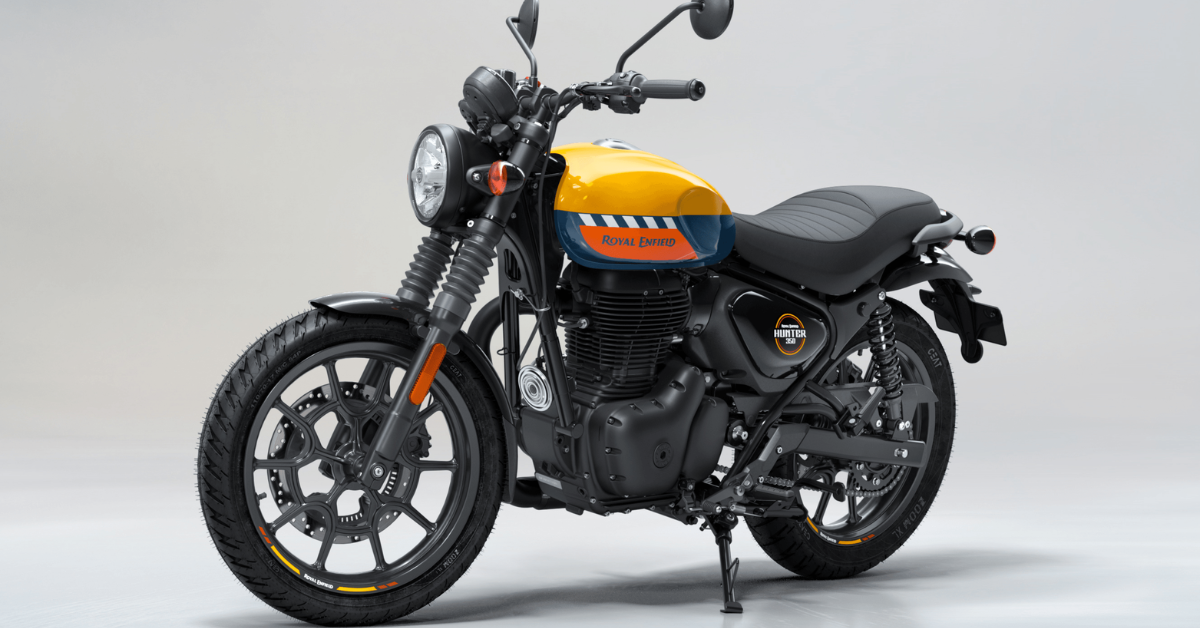
In a bold move toward cleaner mobility, the government of Delhi has proposed a major change under its latest electric vehicle policy — no new petrol-powered scooters and motorcycles will be allowed from 2028.
This decision marks a significant step in India’s journey toward sustainable transportation and reduced pollution. With rising concerns about air quality and fuel dependency, the shift toward electric vehicles (EVs) is becoming more urgent than ever.
But what does this policy actually mean for buyers, manufacturers, and the future of mobility? Let’s explore in detail.
What the New EV Policy Proposes
The proposed policy focuses specifically on two-wheelers, which form a large portion of vehicles on Delhi roads.
Key Proposal:
- Ban on new petrol scooters and motorcycles from 2028
- Push toward 100% electric two-wheeler adoption
- Encouragement for EV infrastructure growth
It is important to note that this proposal applies only to new vehicle registrations. Existing petrol vehicles will still be allowed to operate.
Why Delhi Is Taking This Step
Delhi has long struggled with air pollution, making it one of the most polluted cities in the world. Two-wheelers contribute significantly to emissions.
Key Reasons Behind the Decision:
- Rising air pollution levels
- High dependency on fossil fuels
- Government push for cleaner energy
- Global shift toward electric mobility
Switching to electric two-wheelers can drastically reduce emissions and improve air quality over time.
Impact on Buyers: What Should You Expect?
This policy will have a direct impact on consumers planning to buy scooters or motorcycles in Delhi.
Short-Term Impact:
- Petrol vehicles still available until 2028
- Increased awareness about EV options
- Gradual shift in buyer preferences
Long-Term Impact:
- Electric two-wheelers become the norm
- Wider range of EV models
- Better charging infrastructure
Key Change:
Buyers will need to adapt to electric mobility as the primary option in the coming years.
Electric Scooters & Bikes: The Future of Urban Mobility
Electric two-wheelers are already gaining popularity due to their convenience and cost savings.
Advantages of EV Two-Wheelers:
- Lower running cost compared to petrol
- Minimal maintenance requirements
- Silent and smooth riding experience
- Eco-friendly operation
Real-World Benefit:
Daily commuters can save significantly on fuel costs while contributing to a cleaner environment.
Challenges That Need to Be Addressed
While the policy is progressive, there are still several challenges that need attention.
1. Charging Infrastructure:
- Need for more public charging stations
- Faster charging solutions required
2. Battery Range:
- Range anxiety remains a concern
- Improvements needed for long-distance users
3. Initial Cost:
- EVs are still slightly expensive upfront
- Subsidies play a crucial role
4. Awareness:
- Many buyers are still unfamiliar with EV technology
Government Support & Incentives
To make this transition smoother, the government is expected to offer various incentives.
Possible Benefits:
- Purchase subsidies for EV buyers
- Tax benefits
- Lower registration fees
- Incentives for manufacturers
These measures can help make electric vehicles more affordable and attractive.
Impact on Automobile Industry
The policy will significantly impact manufacturers and the overall industry.
For Manufacturers:
- Increased focus on EV production
- Investment in battery technology
- Expansion of EV portfolio
For Startups:
- Opportunity to enter the EV space
- Innovation in battery and charging solutions
Market Shift:
The industry will move rapidly toward electrification.
What Happens to Existing Petrol Vehicles?
A common concern among buyers is the future of their current vehicles.
Important Clarification:
- Existing petrol scooters and bikes will not be banned
- Only new registrations will be restricted
This ensures a gradual transition rather than an abrupt change.
How This Policy Affects Other Cities
Delhi often sets trends that other cities follow.
Possible Outcome:
- Other metro cities may adopt similar policies
- Nationwide push for EV adoption
- Stronger focus on clean mobility
This policy could become a blueprint for the rest of India.
Should You Buy Petrol or Electric Now?
This is one of the most important questions for buyers.
Buy Petrol If:
- You need a vehicle immediately
- You are not ready for EV transition
- You prefer traditional engines
Buy Electric If:
- You want future-ready technology
- You want to save on running costs
- You support eco-friendly mobility
Smart Strategy:
If you are planning a long-term purchase, switching to EV now could be a better decision.
Future of Electric Mobility in India
India is moving steadily toward electrification, and policies like this will accelerate the transition.
Key Trends:
- Rapid growth in EV sales
- Better battery technology
- Expansion of charging infrastructure
- Increased competition among brands
The next few years will be crucial in shaping the EV ecosystem.
Final Verdict: A Bold Yet Necessary Move
The proposal to ban new petrol scooters and motorcycles from 2028 is a bold decision, but it is also a necessary step toward a cleaner future.
Key Takeaways:
- Encourages EV adoption
- Reduces pollution
- Prepares India for sustainable mobility
While challenges remain, the long-term benefits are significant.
Conclusion
Delhi’s proposed EV policy signals a major shift in how we think about transportation. By focusing on electric two-wheelers, the government is taking a strong step toward reducing pollution and promoting sustainable mobility.
For buyers, this is the right time to start exploring electric options. The transition may take time, but it is inevitable.

Leave a Reply