
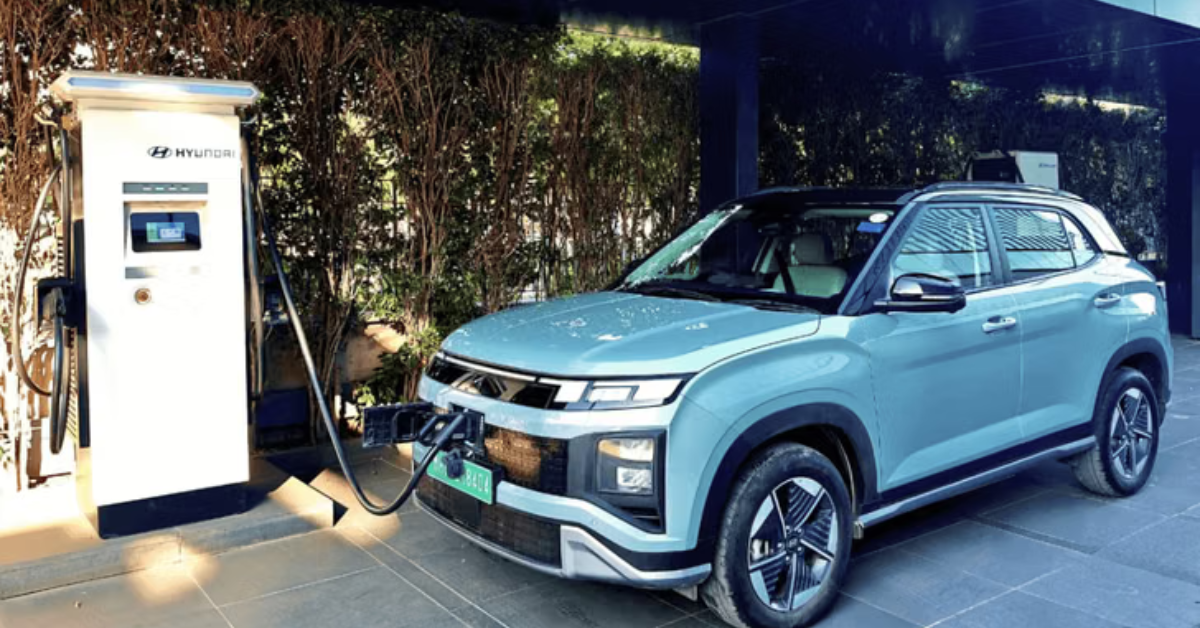
The government of Delhi is once again taking a major step toward promoting electric mobility. Under its latest proposed EV policy, electric vehicles priced up to ₹30 lakh may be exempt from road tax.
This move is expected to significantly reduce the cost of owning an electric vehicle and accelerate EV adoption in the city. With rising fuel prices and increasing environmental concerns, such incentives could play a crucial role in shaping the future of transportation.
Let’s explore what this policy means, how much you can save, and whether now is the right time to switch to an EV.
What Does the New EV Policy Say?
The key highlight of the proposed policy is simple yet impactful:
Main Proposal:
- No road tax on electric vehicles priced up to ₹30 lakh
- Applies to a wide range of EVs including cars and SUVs
- Aims to make EVs more affordable
This benefit can lead to substantial savings, especially for buyers considering mid-range and premium electric vehicles.
How Much Money Can You Save?
Road tax is a significant part of a vehicle’s on-road price. Removing it can make EVs much more attractive.
Estimated Savings:
- Road tax typically ranges between 8% to 12% of the vehicle cost
- For a ₹20 lakh EV → savings of ₹1.6 to ₹2.4 lakh
- For a ₹30 lakh EV → savings of ₹2.5 to ₹3.5 lakh
Why This Matters:
Such savings can make a premium EV more accessible to middle-class buyers.
Why the Government Is Offering This Benefit
The move is part of a larger strategy to promote clean and sustainable transportation.
Key Objectives:
- Reduce air pollution
- Encourage EV adoption
- Lower dependence on fossil fuels
- Support India’s green energy goals
Delhi has been actively working to improve air quality, and promoting EVs is a major part of that plan.
Impact on EV Buyers
This policy directly benefits consumers looking to buy electric vehicles.
Key Advantages:
- Lower upfront cost
- Better affordability
- Increased interest in EVs
- Faster decision-making for buyers
Real-World Example:
A buyer who was previously considering a petrol SUV may now find an EV more affordable due to tax savings.
Boost for Mid-Range and Premium EV Segment
The ₹30 lakh limit is particularly important because it covers a large portion of popular EVs in India.
Covered Segment:
- Entry-level EVs
- Mid-range electric SUVs
- Some premium electric cars
Market Impact:
Manufacturers are likely to focus more on this price segment to attract buyers.
How This Policy Benefits the EV Industry
The benefits are not limited to buyers — the entire EV ecosystem gains from this move.
For Automakers:
- Increased demand for EVs
- Better sales volume
- Opportunity to expand EV lineup
For Startups:
- More innovation in EV technology
- Growth in battery and charging solutions
For Infrastructure:
- Expansion of charging stations
- Improved EV ecosystem
Comparison: EV vs Petrol After Tax Benefit
This policy makes EVs even more competitive compared to petrol vehicles.
EV Advantages After Policy:
- Lower purchase cost (due to no road tax)
- Lower running cost
- Minimal maintenance
Petrol Vehicle Disadvantages:
- Higher fuel cost
- Regular maintenance
- Increasing fuel prices
Conclusion:
The cost gap between EVs and petrol cars is shrinking rapidly.
Challenges That Still Exist
While the policy is beneficial, some challenges remain.
Key Issues:
- Charging infrastructure still developing
- Range anxiety for long-distance travel
- Higher initial cost compared to entry-level petrol vehicles
However, these challenges are gradually being addressed as EV technology improves.
Should You Buy an EV Now?
This is a common question among buyers.
Consider Buying an EV If:
- You drive mostly in the city
- You have access to charging facilities
- You want to save on fuel costs
- You want to benefit from government incentives
Wait If:
- You frequently travel long distances
- Charging infrastructure is not available nearby
What This Means for the Future
Policies like this indicate a strong shift toward electric mobility in India.
Future Trends:
- More EV launches
- Improved battery technology
- Faster charging solutions
- Increased competition among brands
Delhi’s policy could also influence other states to introduce similar benefits.
How Buyers Can Maximize Benefits
To get the most out of this policy, buyers should plan carefully.
Smart Tips:
- Choose EVs within ₹30 lakh range
- Check for additional subsidies
- Compare running costs
- Evaluate charging options
Making an informed decision can lead to long-term savings.
Final Verdict: A Game-Changing Move
The proposal to eliminate road tax on EVs up to ₹30 lakh is a major step forward for the Indian automobile market.
Key Takeaways:
- Makes EVs more affordable
- Encourages faster adoption
- Benefits both buyers and manufacturers
This move could significantly accelerate the transition toward electric mobility.
Conclusion
Delhi’s latest EV policy is a strong signal that the future of transportation is electric. By removing road tax on EVs up to ₹30 lakh, the government is making it easier for buyers to switch to cleaner and more efficient vehicles.
For consumers, this is a golden opportunity to invest in an EV and enjoy long-term savings. As infrastructure improves and technology advances, electric vehicles will become the preferred choice for most buyers.




Leave a Reply