
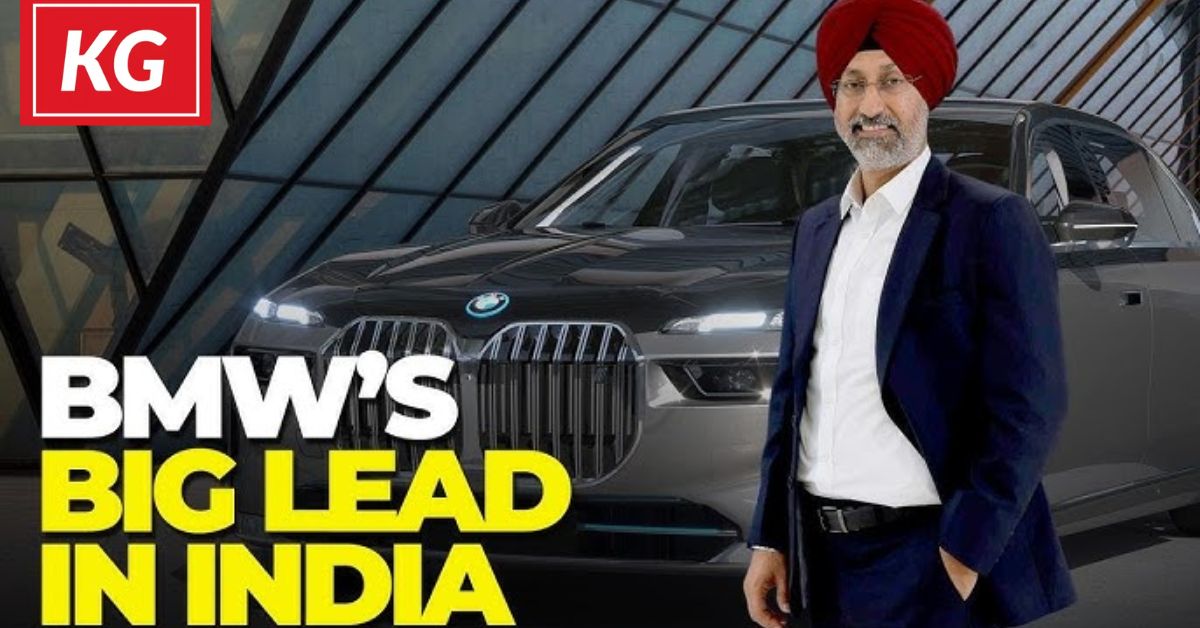
BMW India is gearing up for a landmark year in 2026. The German luxury automaker has announced plans to introduce six all‑new cars to the Indian market, supported by a sweeping portfolio refresh that includes facelifts and product enhancements across its lineup. This aggressive strategy underscores BMW’s intent to strengthen its foothold in India’s premium automotive segment, where competition from Mercedes‑Benz, Audi, and Jaguar Land Rover remains fierce.
Why 2026 Is a Pivotal Year
BMW India’s President and CEO, Hardeep Singh Brar, has described 2026 as a “very big year” for the brand. The company aims for double‑digit sales growth, building on the momentum of 2025, when BMW sold approximately 18,000 cars in India—a 14% increase from the year before.
The six new launches are part of a broader plan that includes:
- Four facelifts of existing models.
- 17 product enhancements across the BMW lineup.
- 10 new Mini cars and updates under BMW Motorrad.
This comprehensive refresh signals BMW’s determination to dominate the premium segment by offering customers more choice, updated technology, and cutting‑edge design.
The Six All‑New Cars: What to Expect
While BMW has not revealed the exact models yet, industry speculation points toward a mix of electric vehicles (EVs), SUVs, and luxury sedans. Likely candidates include:
- Next‑generation BMW 5 Series: A global bestseller, expected to arrive with hybrid and EV variants.
- BMW iX2 or iX3: Expanding the electric SUV portfolio to meet India’s growing EV demand.
- BMW 7 Series facelift and i7 EV: Strengthening BMW’s flagship luxury sedan offering.
- BMW X5 or X7 new generation: Large SUVs remain popular among Indian buyers seeking space and prestige.
- BMW 3 Series EV variant: A potential entry‑level luxury EV to attract younger buyers.
These models would align with BMW’s global electrification strategy while catering to India’s appetite for SUVs and premium sedans.
Market Strategy and Competition
BMW’s 2026 plan is not just about new cars—it’s about positioning itself as the leader in luxury innovation. Key elements of the strategy include:
- Electrification: With India’s EV market expanding, BMW is expected to introduce more electric models, competing directly with Mercedes EQ series and Audi e‑tron.
- Localization: BMW continues to assemble several models at its Chennai plant, helping manage costs and improve accessibility.
- Customer Experience: Enhanced digital services, connected car technology, and premium after‑sales support will be critical differentiators.
Risks and Challenges
Despite the excitement, BMW faces several challenges:
- Price Sensitivity: Luxury cars remain aspirational, but high import duties and taxes can limit accessibility.
- EV Infrastructure: While BMW may launch more EVs, India’s charging network is still developing.
- Competition: Mercedes‑Benz, Audi, and Jaguar Land Rover are also planning aggressive launches in 2026.
BMW will need to balance innovation with affordability to maintain its growth trajectory.
Why This Matters for Indian Buyers
For Indian customers, 2026 promises unprecedented choice in the luxury segment. BMW’s six new cars will:
- Offer cutting‑edge technology and electrification options.
- Provide fresh design and performance upgrades across categories.
- Strengthen BMW’s reputation as a brand that blends driving pleasure with luxury appeal.
Whether you’re a young professional eyeing your first premium sedan or a seasoned enthusiast looking for an electric SUV, BMW’s 2026 lineup is designed to cater to diverse aspirations.
Conclusion
BMW India’s announcement of six all‑new cars in 2026 marks a turning point in the brand’s journey in the country. Backed by facelifts, product enhancements, and new Minis, this ambitious rollout reflects BMW’s confidence in India’s growing luxury car market.
As electrification gains momentum and customer expectations evolve, BMW’s strategy of combining innovation, variety, and premium experiences could set the stage for its strongest year yet. For Indian buyers, 2026 is shaping up to be a thrilling year to explore the future of luxury mobility.











Leave a Reply