
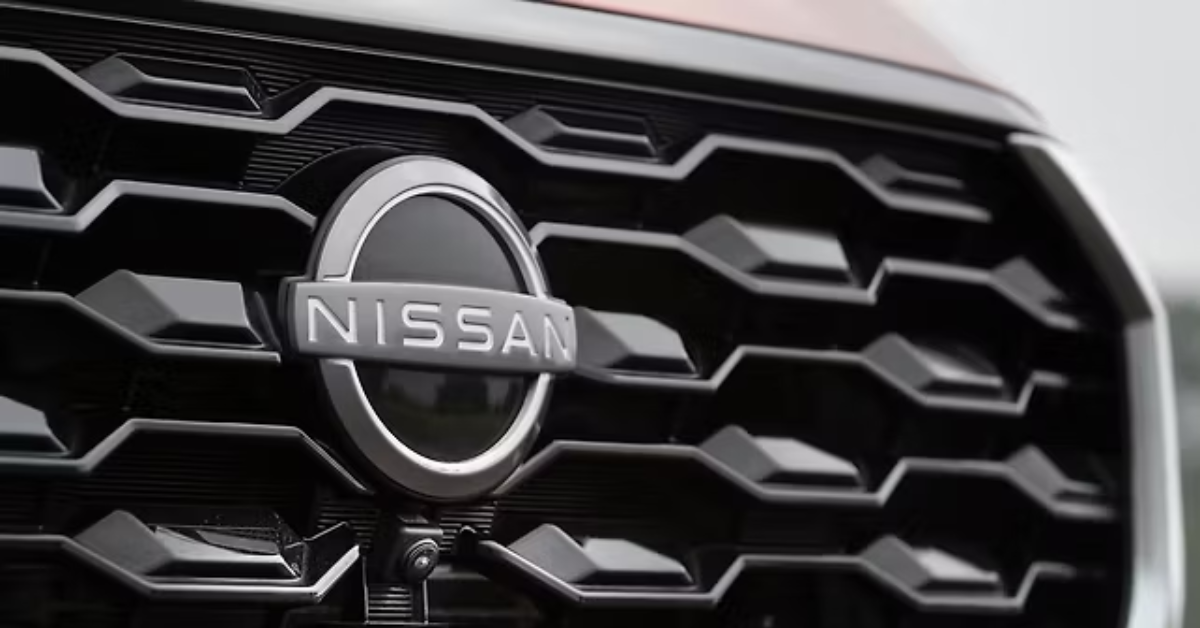
If you’re planning to buy a Nissan car in India, here’s an important update that could impact your decision. Nissan India has announced a price hike across its model range starting January 2026. This move comes at a time when rising production costs, inflationary pressures, and global supply challenges continue to affect the automotive industry.
For car buyers, especially those considering budget-friendly or mid-range vehicles, this announcement could mean paying more for the same car just a few months from now. In this detailed blog, we break down why Nissan is increasing prices, which models are likely to be affected, how much prices may rise, and whether buying before January 2026 makes financial sense.
Why Is Nissan Increasing Car Prices in India?
Car manufacturers rarely hike prices without strong reasons, and Nissan is no exception. Several factors have contributed to this decision.
Key Reasons Behind the Price Hike
- Rising raw material costs
- Increased logistics and transportation expenses
- Higher input costs due to inflation
- Currency exchange rate fluctuations
- Upgraded safety and emission compliance
- Growing operational costs
These challenges have significantly impacted profit margins, forcing automakers like Nissan to adjust vehicle pricing to maintain sustainability.
Which Nissan Models Are Likely to Get More Expensive?
While Nissan has not disclosed exact model-wise price revisions yet, the price hike is expected to impact most vehicles in its Indian portfolio.
Models Likely to Be Affected
- Compact SUVs
- Entry-level cars
- Mid-size vehicles
- Special editions and automatic variants
Budget and automatic variants may see a slightly higher increase, as they involve higher component and technology costs.
Expected Price Increase: How Much More Will Buyers Pay?
Although official numbers are yet to be announced, industry trends suggest that prices could rise by 2% to 5%, depending on the model and variant.
What This Means for Buyers
- Entry-level models could become ₹15,000–₹25,000 more expensive
- Mid-variants may see an increase of ₹30,000–₹50,000
- Automatic and top-end trims could cross ₹60,000 extra
Even a small percentage hike can make a noticeable difference, especially for first-time buyers and EMI-focused customers.
Impact on Budget Buyers and First-Time Car Owners
For budget-conscious buyers, this price hike could affect affordability.
Key Challenges
- Higher down payment
- Increased monthly EMI
- Reduced value-for-money perception
- Shift towards used cars or alternative brands
Many buyers may advance their purchase plans to lock in current prices, especially before the festive season ends.
How This Price Hike Affects EMIs and Ownership Costs
A price increase doesn’t just affect the showroom price—it also impacts financing.
Ownership Cost Impact
- Higher loan amount
- Increased interest outgo
- Longer loan tenure
- Higher insurance premium
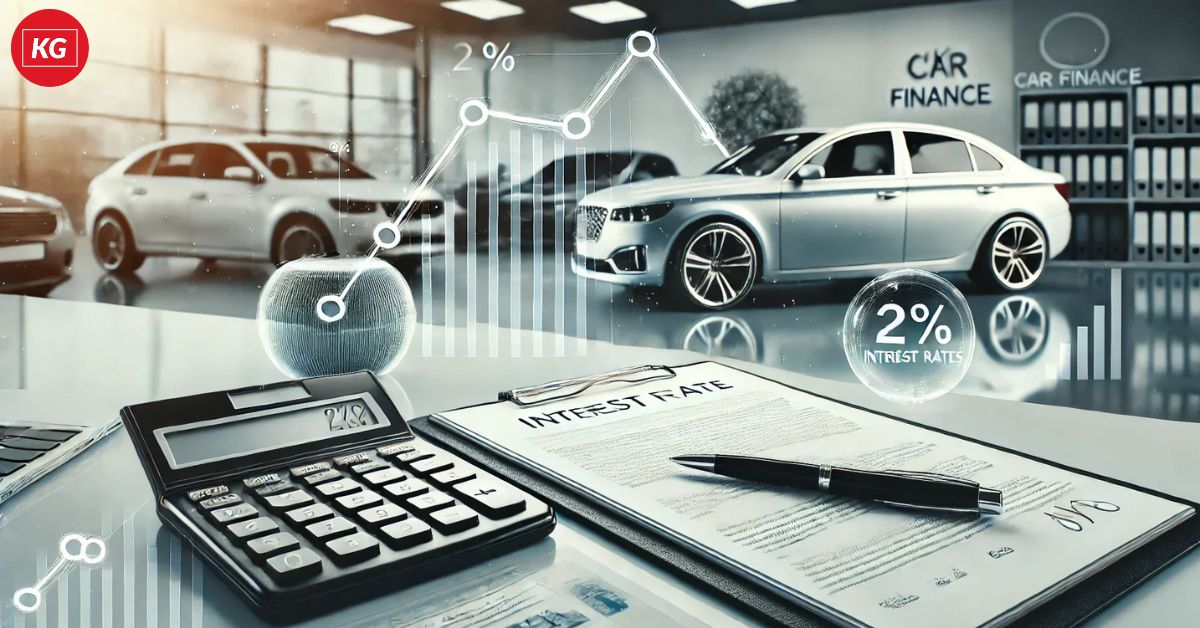
For buyers opting for car loans, even a ₹30,000 increase can raise the EMI by a noticeable margin over a 5–7 year tenure.
Will Nissan Offer Discounts Before January 2026?
Manufacturers often try to balance price hikes with limited-period offers before implementation.
What Buyers Can Expect
- Year-end discounts
- Exchange bonuses
- Corporate offers
- Finance benefits
This could be an ideal time for buyers to negotiate better deals before prices officially go up.
How Nissan’s Price Hike Compares With Industry Trends
Nissan is not alone in increasing prices. Almost every major car manufacturer in India has revised prices multiple times over the past few years.
Industry-Wide Trends
- Rising vehicle production costs
- Increased safety equipment mandates
- Transition towards electrification
- Higher technology integration
This makes Nissan’s move a strategic industry-aligned decision, rather than an isolated one.
Should You Buy a Nissan Car Before January 2026?
If you’re considering a Nissan vehicle, buying before the price hike could be financially beneficial.
Reasons to Buy Now
- Save money on ex-showroom price
- Lower EMI burden
- Better discount opportunities
- Avoid future price uncertainty
However, buyers should also consider upcoming updates, feature additions, and their personal financial readiness.
What Existing Nissan Owners Should Know
If you already own a Nissan vehicle, this price hike may work in your favor.
Benefits for Existing Owners
- Improved resale value
- Stronger market demand
- Higher exchange value
Rising new car prices often boost the used car market, benefiting current owners.
What This Means for Nissan’s India Strategy
This price revision indicates that Nissan is focusing on:
- Sustainable business operations
- Long-term brand presence
- Cost optimization
- Maintaining product quality
Despite challenges, Nissan continues to invest in the Indian market, signaling confidence in long-term growth.
Final Verdict: Act Smart Before Prices Go Up
The announcement of a Nissan India car price hike from January 2026 is a crucial update for prospective buyers. While rising prices are becoming unavoidable across the automotive industry, informed planning can help buyers minimize the financial impact.
If purchasing a Nissan car is on your radar, the coming months could be the best window to secure a better deal. Waiting beyond January 2026 may mean paying more for the same vehicle.
Staying informed, comparing offers, and timing your purchase wisely can help you make the most of your investment in an increasingly expensive car market.










Leave a Reply